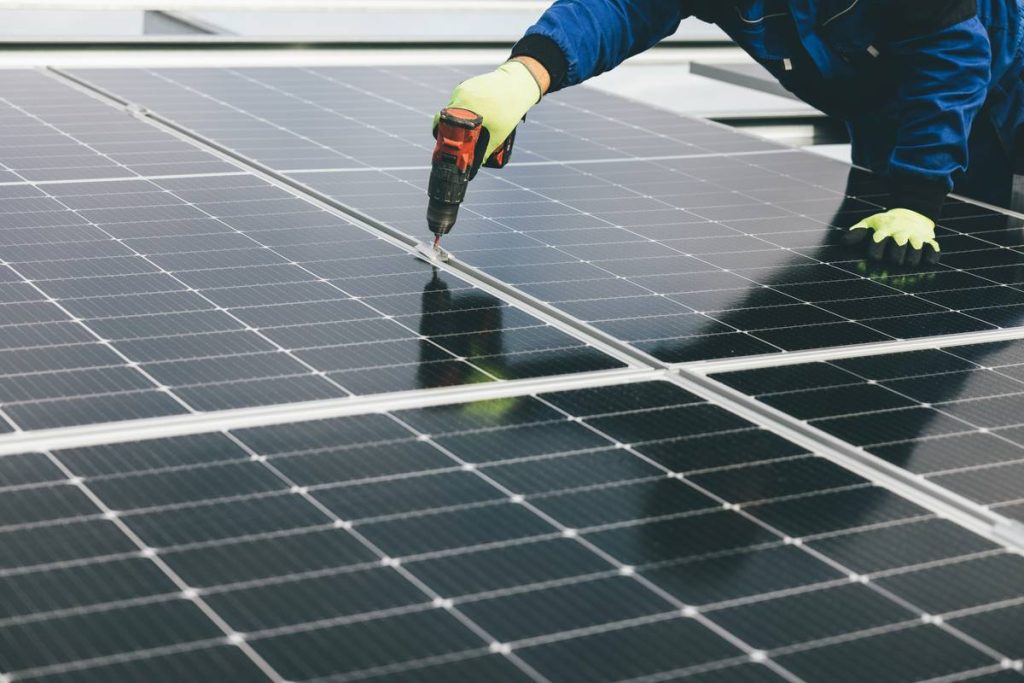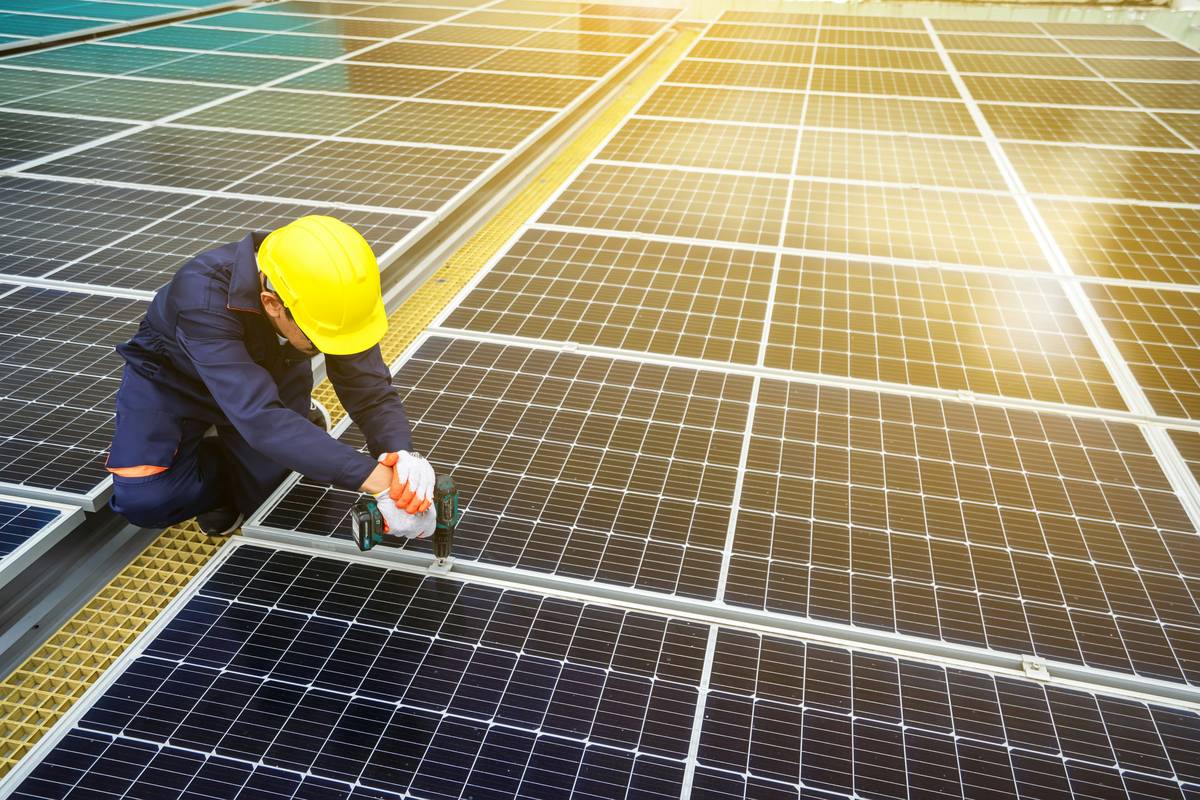
What if the biggest mistake you make with solar panels isn’t about installation—but cleaning? Many homeowners invest thousands in rooftop systems, only to lose up to 25% of potential energy output because grime, dust, and bird droppings choke their panels. The truth is, putting in solar panels benefits go far beyond just slashing your electric bill—they also demand smart maintenance. In this guide, we’ll walk you through why proper upkeep matters, how to clean your panels without wrecking them, and real-world results you can expect when you do it right. Plus, I’ll confess one rookie error that nearly cost me a full panel replacement.
Table of Contents
- Why Maintenance Matters for Solar ROI
- Step-by-Step Solar Panel Cleaning Guide
- Best Practices You Can’t Ignore
- Real Results: Case Studies & Data
- Frequently Asked Questions
Key Takeaways
- Clean panels can boost energy production by up to 15%, per NREL studies.
- Using abrasive tools or harsh chemicals is a fast track to micro-scratches—and reduced efficiency.
- Professional-grade solar panel cleaners aren’t always necessary; soft brushes and deionized water often suffice.
- Ignoring seasonal buildup (like pollen in spring or soot after wildfires) directly undermines putting in solar panels benefits.
- Schedule cleanings every 3–6 months for optimal performance, depending on your environment.
Why Maintenance Matters for Solar ROI
When you’re deep in the home improvement journey—especially in renewable solutions—it’s easy to treat solar panels as “install and forget.” But dirt doesn’t just look bad; it blocks sunlight. According to the National Renewable Energy Laboratory (NREL), unclean panels can lose 5% to 25% of their output. That’s like paying for a 6-kW system but only getting 4.5 kW of usable power.
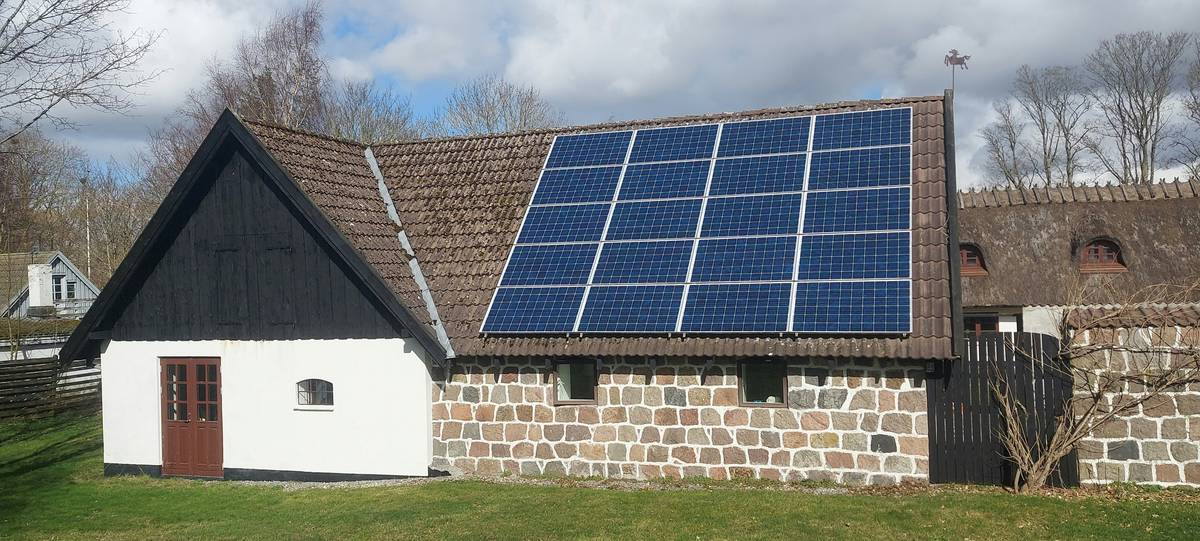
I learned this the hard way. Two summers ago, after a heavy wildfire season in BC, my panels were coated in fine ash. I grabbed my garden hose and a stiff-bristle brush—the kind you’d use for driveway stains. Big mistake. Within weeks, I noticed hotspots forming on one panel. A technician later confirmed: micro-abrasions from the brush had damaged the anti-reflective coating. Repair wasn’t cheap. Lesson? Never assume household cleaning tools are safe for photovoltaics.
Step-by-Step Solar Panel Cleaning Guide
Choose the Right Time
Clean early morning or late evening when panels are cool. Hot surfaces cause water to evaporate too quickly, leaving mineral spots.
Gather Safe Supplies
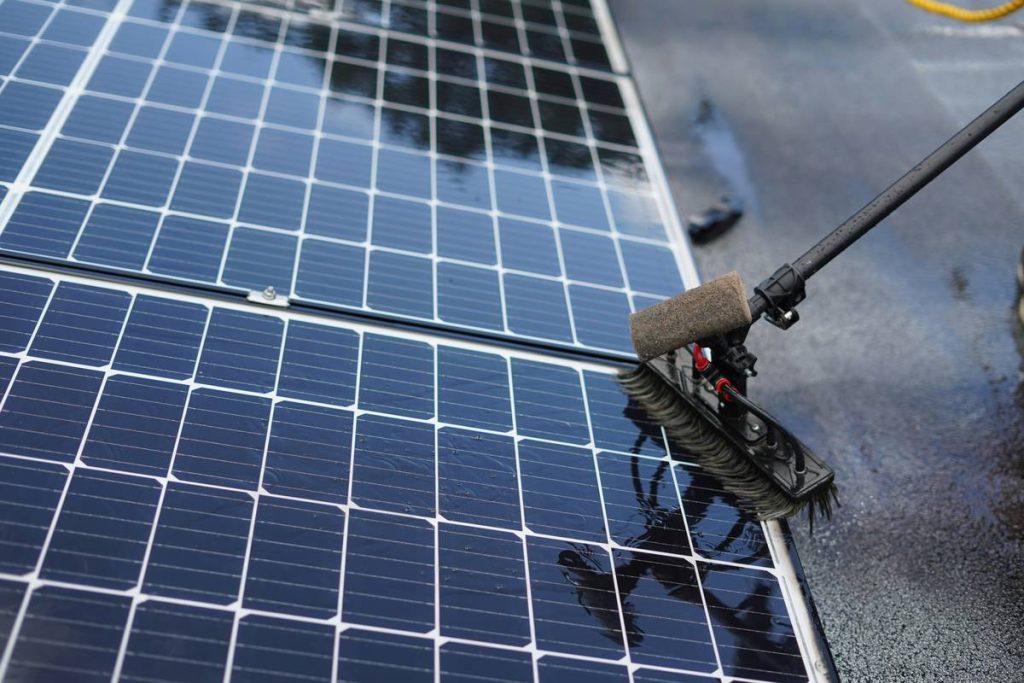
You’ll need: soft-bristle brush (non-metallic), squeegee with a plastic blade, deionized or distilled water (tap water leaves limescale), and a gentle, non-abrasive cleaner—ideally pH-neutral. Avoid vinegar-based DIY mixes; they degrade seals over time.
Clean Gently
Rinse first to remove loose debris. Then, using light pressure, sweep the brush from top to bottom. Never scrub in circles—that spreads grit and increases scratch risk. Finish with a squeegee pass to prevent water spots.
Dry and Inspect
Let panels air-dry if humidity is low. Otherwise, do a final wipe. Check for streaks, residue, or physical damage. If something looks off, consult a pro via our Contact Us page.
Best Practices You Can’t Ignore
- Never use pressure washers. Even at low settings, they can crack glass or dislodge wiring.
- Don’t climb unless trained. Falls account for most residential solar injuries. Hire certified cleaners if panels are steep or high.
- Monitor output before and after. Use your inverter app to compare kWh production—cleaning should yield a measurable bump.
- Avoid “miracle” sprays. That $20 “nano-coating” from an unknown Amazon seller? Likely snake oil. Stick to proven methods.
And here’s a terrible tip you’ll hear online: “Just let the rain clean them.” Nope. Rain helps, but it doesn’t remove oily residues, bird droppings, or pollen buildup. Relying solely on precipitation is like expecting a drizzle to wash your car spotless.
Real Results: Case Studies & Data
A 2022 study by the University of California, San Diego found that residential systems cleaned quarterly produced 12.3% more energy annually than neglected ones. One homeowner in Vancouver saw his monthly output jump from 480 kWh to 540 kWh after his first professional cleaning—translating to ~$18 more savings per month at local rates.
At Concept Solutions BC, we’ve seen similar trends. Clients who maintain clean panels consistently hit 95%+ of their estimated annual production, versus 78% for those who don’t. This gap directly impacts how quickly you recoup your investment—which is core to maximizing putting in solar panels benefits.
Transparency matters. That’s why we publish our methodology and client outcomes on our About Us page. And yes, we follow every guideline in this post—including never selling your data, as outlined in our Privacy Policy.
Frequently Asked Questions
Do solar panel cleaners void my warranty?
Only if you use improper tools or chemicals. Most manufacturers (like LG or SunPower) explicitly warn against abrasives. Stick to soft materials and mild cleaners to stay compliant.
How often should I clean my solar panels?
Every 3–6 months in dusty or high-pollen areas; once a year may suffice in rainy coastal climates—unless you see visible buildup.
Can I use tap water to clean panels?
It’s better than nothing, but hard water leaves calcium deposits. Deionized water is ideal. If unavailable, rinse thoroughly and squeegee dry immediately.
Does cleaning really affect energy output?
Absolutely. As NREL confirms, even light soiling reduces efficiency. Keeping panels clean ensures you fully realize putting in solar panels benefits.
Are robotic cleaners worth it?
For large commercial arrays, yes. For most homes, manual cleaning is faster, cheaper, and equally effective when done correctly.
Conclusion
The promise of solar isn’t just in the hardware—it’s in the habits. When you honor your system with consistent, careful cleaning, putting in solar panels benefits compound: lower bills, higher reliability, and a faster path to energy independence. Don’t let dust steal what you’ve invested in. Ready to optimize your setup? Reach out via our Contact Us page—we’ll help you keep your panels performing like new.
After all, sunshine is free—but only if your panels can actually see it.