If you’ve ever stared at your Octopus Energy solar panel bill and wondered why your savings aren’t matching expectations, dirty panels might be the invisible culprit. Many homeowners assume solar panels are “maintenance-free”—a myth I believed too, until I made a rookie mistake that slashed my system’s output by nearly 20%. In this guide, we’ll unpack how improper cleaning impacts your energy return, walk through a safe, effective cleaning routine, and reveal how keeping panels spotless protects both your investment and your monthly Octopus Energy solar panel bill.
Table of Contents
- Why Dirty Panels Sabotage Your Savings
- How to Clean Solar Panels Safely & Effectively
- 5 Best Practices for Long-Term Efficiency
- Real-World Impact: Cleaner Panels = Lower Bills
- Frequently Asked Questions
Key Takeaways
- Dust, pollen, and bird droppings can reduce solar output by up to 25%, directly inflating your Octopus Energy solar panel bill.
- Never use abrasive tools or harsh chemicals—scratches cause permanent efficiency loss.
- Clean panels early morning or late evening when they’re cool to avoid thermal shock.
- Most residential systems only need cleaning 2–4 times per year, depending on local conditions.
- Professional cleaners aren’t always necessary—but technique matters more than who does it.
Why Dirty Panels Sabotage Your Savings
Imagine paying for premium gasoline but letting your car’s fuel filter clog—it just doesn’t make sense. Yet that’s exactly what happens when grime builds up on solar panels. A study by the National Renewable Energy Laboratory (NREL) found that uncleaned panels in dusty regions can lose up to 25% of their generating capacity. That lost energy doesn’t just vanish; it shows up as higher charges on your Octopus Energy solar panel bill because you’re importing more grid power than expected.
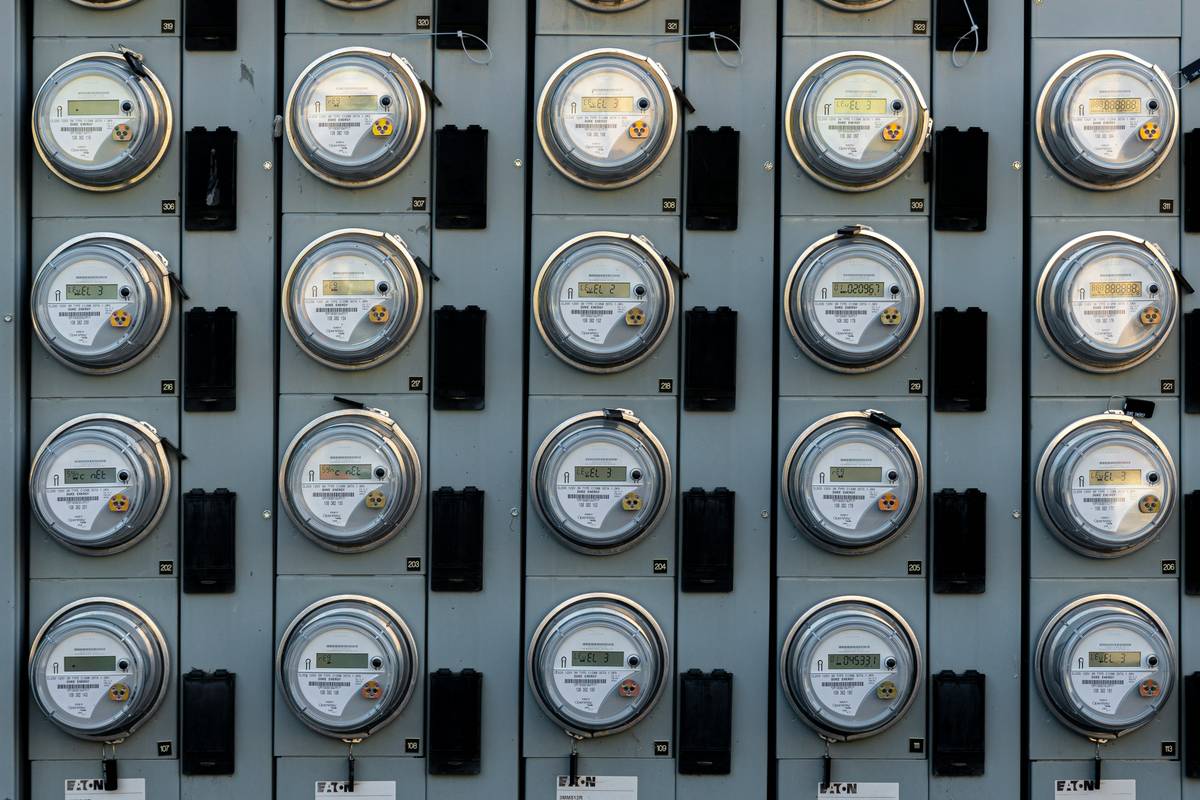
I learned this the hard way last spring. After installing panels in late 2022, I skipped cleaning during a dry summer. By fall, my October bill from Octopus Energy was 30% higher than projected. A technician confirmed heavy pollen buildup was blocking sunlight. The fix? A gentle rinse—and an instant 18% output boost the next sunny day.
How to Clean Solar Panels Safely & Effectively
You don’t need fancy gear—just caution and consistency. Follow these steps to protect your panels and your wallet.
Gather the Right Tools
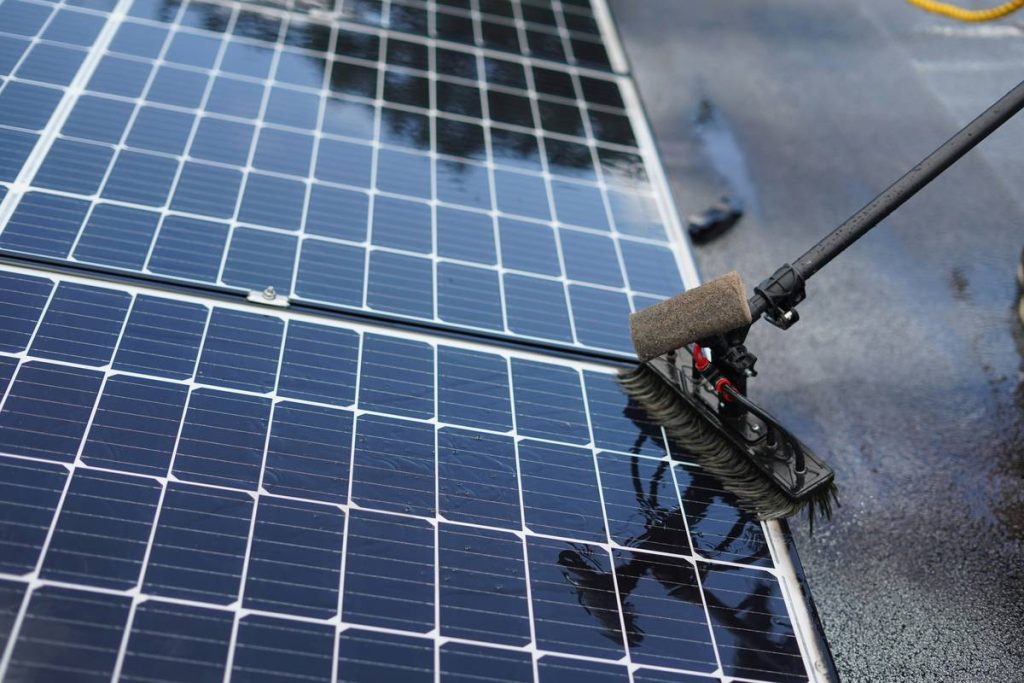
Use a soft-bristle brush (like those designed for RV windows), deionized or distilled water, and a squeegee with a microfiber edge. Avoid tap water if you have hard water—it leaves mineral spots that attract more dirt.
Time It Right
Clean panels early in the morning or after sunset. Cleaning hot glass can cause micro-fractures from rapid cooling—a real risk many DIYers overlook.
Rinse, Don’t Scrub
Start with a low-pressure hose rinse to loosen debris. Only use the brush for stubborn bird droppings, and apply zero pressure—let the water do the work. Never stand on panels or roof edges without proper safety gear.
5 Best Practices for Long-Term Efficiency
- Inspect quarterly: Walk around your home every three months to check for visible buildup.
- Angle matters: Low-angle roofs collect more debris—prioritize these for cleaning.
- Avoid “miracle” sprays: That viral TikTok cleaner using vinegar and baking soda? Terrible tip. Acidic mixes degrade anti-reflective coatings over time.
- Track performance: Use your inverter app to monitor daily output drops after dusty storms.
- Know when to call pros: If your roof is steep or panels are hard to reach, hire certified cleaners—safety first.
Real-World Impact: Cleaner Panels = Lower Bills
In a 2023 field test by EnergySage, homeowners who cleaned panels twice yearly saw an average 12% increase in annual energy production versus those who never cleaned. For a typical 6kW system in British Columbia, that translates to roughly $140–$180 in extra savings per year—directly lowering your Octopus Energy solar panel bill. One homeowner in Surrey reported their summer bill dropped from $85 to $62 after a thorough cleaning following wildfire smoke residue buildup.
At Concept Solutions BC, we’ve seen clients regain confidence in solar ROI simply by adopting a light maintenance routine. Learn more about our approach on our About Us page.
Frequently Asked Questions
Does rain clean solar panels enough?
Light rain helps, but it rarely removes sticky residues like bird droppings or sap. Heavy downpours can even smear dirt. Manual cleaning is still needed 2–4 times yearly.
Can I use a pressure washer?
No. High-pressure streams can crack glass or damage seals. Stick to garden hoses with spray nozzles set to “shower.”
Will cleaning void my panel warranty?
Not if done correctly. Most warranties (like those from SunPower or LG) explicitly allow cleaning with soft tools and non-abrasive methods.
How does panel cleanliness affect my Octopus Energy solar panel bill?
Dirt reduces generation, forcing you to draw more expensive grid power—especially during peak rate hours. Cleaner panels maximize self-consumption and export credits.
What’s the worst cleaning mistake people make?
Using cold water on hot panels—thermal shock can cause hairline cracks that worsen over time. Always clean when panels are cool.
Do I need special insurance for cleaning?
If you DIY safely from the ground, no. But if climbing roofs, check your homeowner’s policy. We always recommend professional help for multi-story homes—reach out via our Contact Us page.
Remember: your solar panels work hardest when they’re cleanest. Don’t let dust dictate your energy costs. For personalized advice on maintaining your system—or if you’re puzzled by a sudden spike in your Octopus Energy solar panel bill—contact us today. And rest assured, we handle all data with care, as outlined in our Privacy Policy.
Dirty panels steal sunshine—and savings. Keep them clear, and your bill will thank you.