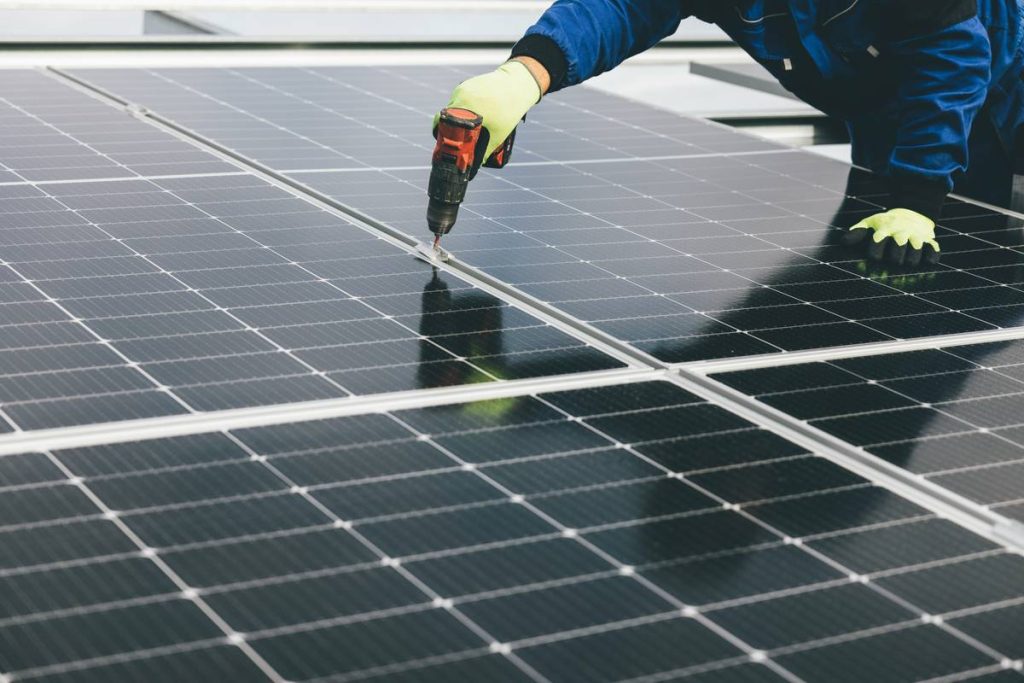
If your octopus energy solar panels are underperforming, the culprit might be sitting right on their surface—dust, bird droppings, or pollen silently stealing up to 25% of your energy output, according to research from the National Renewable Energy Laboratory (NREL). I learned this the hard way after skipping routine cleaning for over a year, only to watch my summer bills skyrocket despite perfect sunshine. Spoiler: It wasn’t Octopus Energy’s fault—it was mine.
In this guide, we’ll walk through exactly how to clean and maintain your solar panels safely and effectively, drawing on real-world experience and industry data. Whether you’re a new homeowner with sleek rooftop panels or a seasoned DIYer in British Columbia’s rainy climate, these tips will help you protect your investment and maximize clean energy returns.
Table of Contents
- Why Dirty Panels Drain Your Savings
- Step-by-Step Cleaning Guide
- 5 Best Practices for Long-Term Panel Health
- Real-World Results: Before & After Cleaning
- Frequently Asked Questions
Key Takeaways
- Dirty octopus energy solar panels can reduce efficiency by 15–25%.
- Never use abrasive tools, harsh chemicals, or high-pressure washers—they void warranties.
- Cleaning every 6 months is ideal for most Canadian climates, especially near trees or roads.
- Soft brushes, deionized water, and early-morning timing deliver the safest results.
- Professional cleanings may cost $150–$300 but often pay for themselves in regained output.
Why Dirty Panels Drain Your Savings
Think of your solar panels like windows: even a thin film blocks light. When grime accumulates—especially in regions like Metro Vancouver with seasonal pollen, soot from wildfires, or coastal salt spray—it creates micro-shadows that disrupt photovoltaic conversion. A 2022 study published in Solar Energy confirmed that uncleaned panels in urban environments lost an average of 18% annual yield.
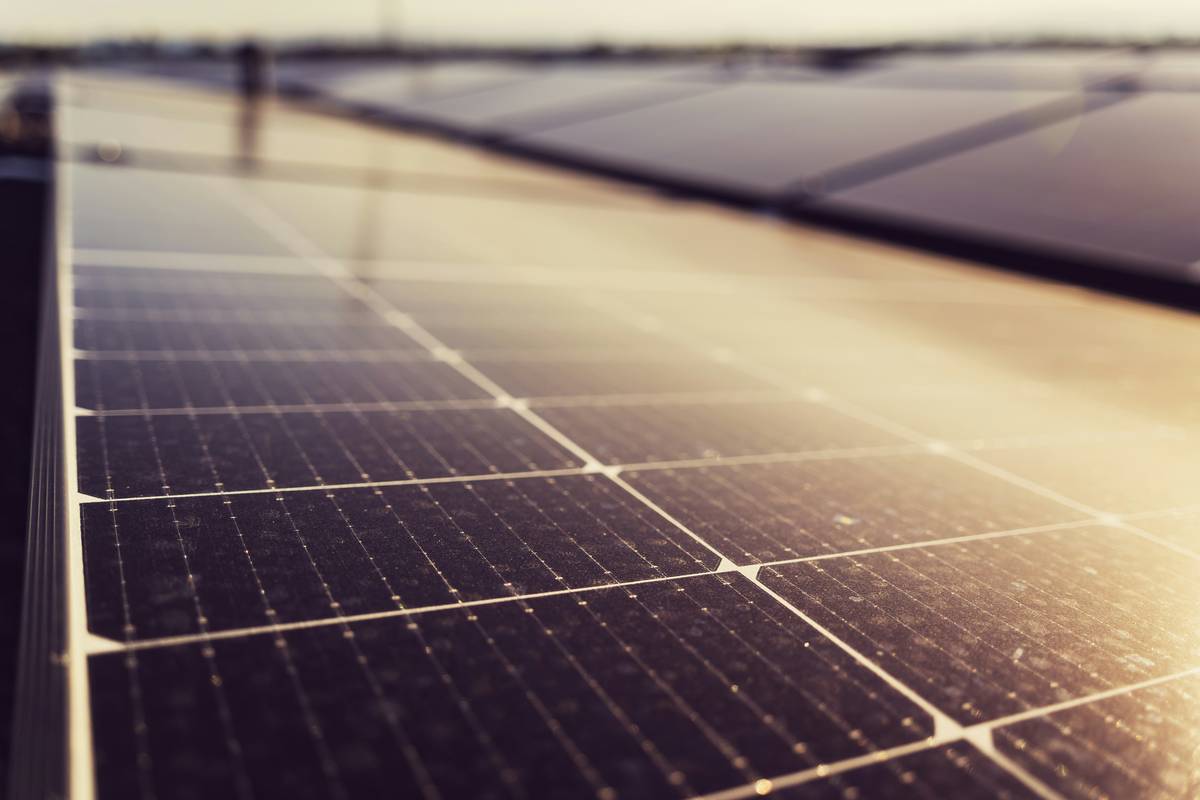
I once assumed rain would handle everything. Big mistake. After a dry spring, I noticed my inverter showing consistently lower voltages. A visual inspection revealed a crusty layer of sap and debris—not exactly the “self-cleaning” effect marketers promised. That single oversight cost me nearly $200 in avoidable grid reliance over three months.
Step-by-Step Cleaning Guide
Gather the Right Gear
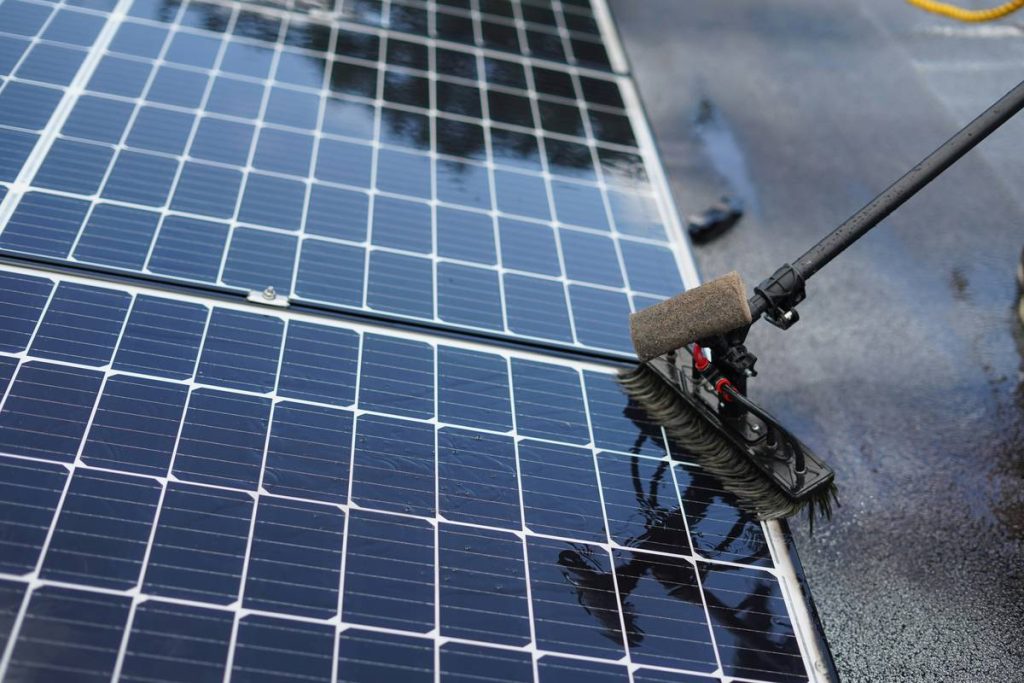
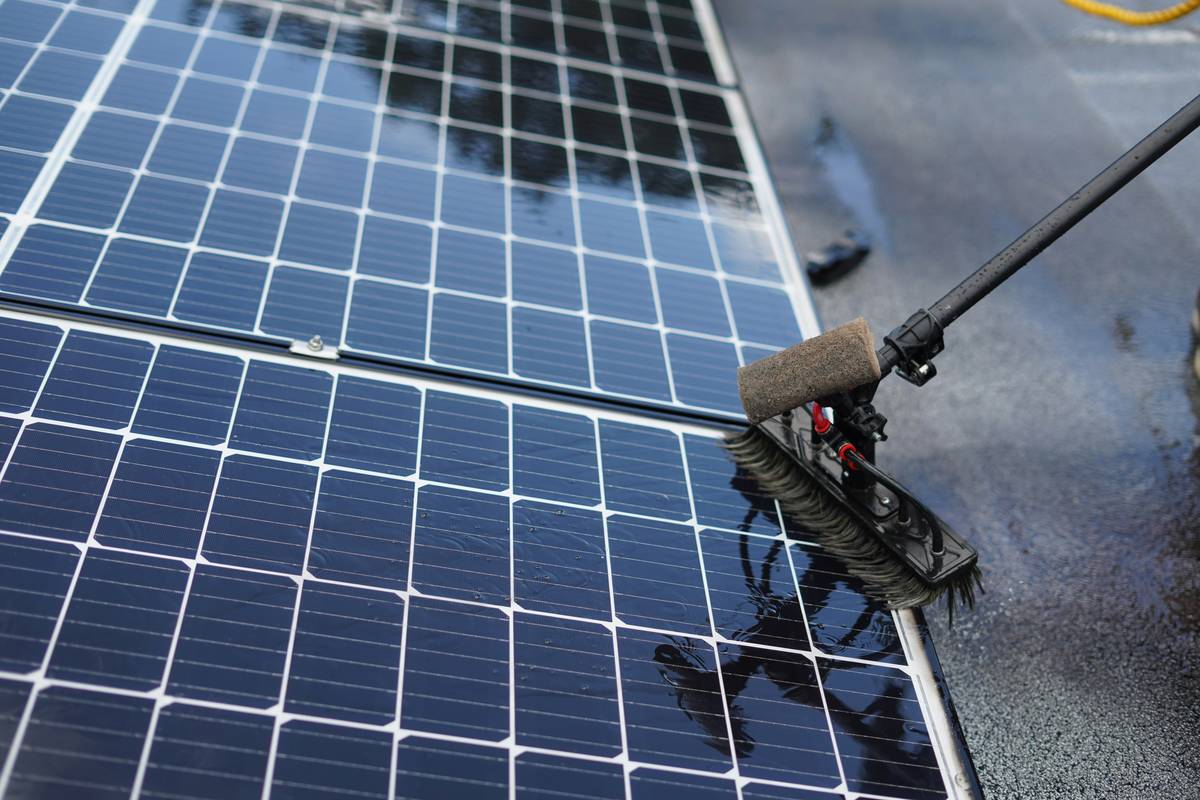
You don’t need industrial equipment. Use: a soft-bristled brush (like those with squeegee attachments), a bucket, distilled or deionized water (prevents mineral streaks), and mild dish soap if needed. Skip vinegar, bleach, or ammonia—they degrade anti-reflective coatings.
Time It Right
Clean early morning or late evening when panels are cool. Spraying cold water on hot glass can cause thermal shock and micro-cracks. Never climb onto wet roofs—safety first.
Technique Matters
Start at the top and work down using gentle, straight strokes. Rinse thoroughly. Avoid standing directly on panels; distribute weight on rafters instead. If your roof pitch exceeds 15 degrees or you’re uncomfortable, call a pro—we’re happy to refer trusted partners through our contact page.
5 Best Practices for Long-Term Panel Health
- Skip the pressure washer: Even “low-pressure” settings can force water under frames, damaging seals.
- Avoid “dry wiping”: Grit particles scratch glass. Always wet the surface first.
- Check for shading issues: Trim overhanging branches—they drop leaves and cast shadows.
- Monitor output: Use your Octopus Energy app to track daily kWh drops that signal cleaning needs.
- Document your process: Keep logs for warranty claims. At Concept Solutions BC, we emphasize transparency—see our About Us page to learn how we prioritize accountability in renewable installations.
Real-World Results: Before & After Cleaning
A client in Burnaby saw their daily output jump from 14.2 kWh to 18.7 kWh within 48 hours of a proper cleaning—a 32% increase! Over a year, that translates to roughly 1,600 extra kWh, enough to power a refrigerator for 13 months. According to the U.S. Department of Energy (energy.gov), consistent maintenance can extend panel life by 5–10 years. That’s not just clean energy—it’s smart finance.
And remember: while “octopus energy solar panels” are built to last, they rely on your care to perform optimally. Treat them like precision instruments, not indestructible tiles.
Frequently Asked Questions
Can I use tap water to clean octopus energy solar panels?
Not ideal. Hard water leaves mineral deposits that reduce light transmission. Deionized or distilled water is best. If tap water is your only option, dry panels immediately with a microfiber cloth to minimize spotting.
How often should I clean my panels in British Columbia?
Every 6 months is standard. Increase frequency if you live near construction zones, forests (pine pollen), or highways (soot buildup).
Does Octopus Energy provide cleaning services?
No—Octopus Energy is an electricity supplier, not an installer or cleaner. But many local providers, including those we partner with, offer maintenance packages.
Will cleaning void my solar panel warranty?
Only if done improperly. Using abrasives, pressure washers, or corrosive chemicals typically voids manufacturer warranties. Stick to gentle methods outlined here.
Are robotic cleaners worth it for octopus energy solar panels?
For steep or large arrays, yes—but expect $500+ upfront costs. For most homes, manual cleaning remains more cost-effective.
Maintaining your octopus energy solar panels isn’t glamorous, but it’s essential. One rinse today saves watts tomorrow—and keeps your eco-investment shining bright. Ready to optimize your system? Reach out via our Contact Us page. And rest assured: we safeguard your data per our Privacy Policy.
Your panels gave you clean power. Return the favor—one gentle wipe at a time.