If your solar panels look dull, dusty, or streaked after a summer storm, you’re not alone—and worse, you might be losing up to 25% of your system’s efficiency, according to the U.S. Department of Energy. Dirty panels = wasted energy, higher bills, and slower ROI. But here’s the twist: many homeowners accidentally damage their panels while trying to “clean” them. I learned this the hard way when I used a pressure washer (yes, really) on my rooftop array—thankfully, only one panel cracked, but it cost me $400 and two weeks of lost generation. In this guide, we’ll cover everything you need to know about maintaining clean, high-performing panels without harming them or your wallet.
Table of Contents
- Why Panel Cleanliness Impacts Your Home’s Energy Future
- Step-by-Step Guide to Safe, Effective Cleaning
- 7 Essential Best Practices (and 1 Terrible Tip to Avoid)
- Real Results: What Clean Panels Actually Deliver
- Frequently Asked Questions
Key Takeaways
- Dust, bird droppings, and pollen can reduce solar output by 15–25% if left unchecked.
- Never use abrasive tools, harsh chemicals, or high-pressure water on photovoltaic surfaces.
- Cleaning every 6 months is often sufficient—but monitor performance via your inverter app.
- Professional services exist, but DIY is safe if done correctly with soft brushes and deionized water.
- Always prioritize safety: work at dawn/dusk, use non-slip shoes, and never stand directly on panels.
Why Panel Cleanliness Impacts Your Home’s Energy Future
In the world of home improvement, solar isn’t just an add-on—it’s a long-term investment in self-reliance and sustainability. Yet too many treat panels like set-and-forget appliances. The truth? They’re exposed to relentless environmental buildup: coastal salt spray, wildfire ash, urban grime, even tree sap. Over time, this layer acts like sunscreen on glass—blocking photons from reaching the cells beneath.
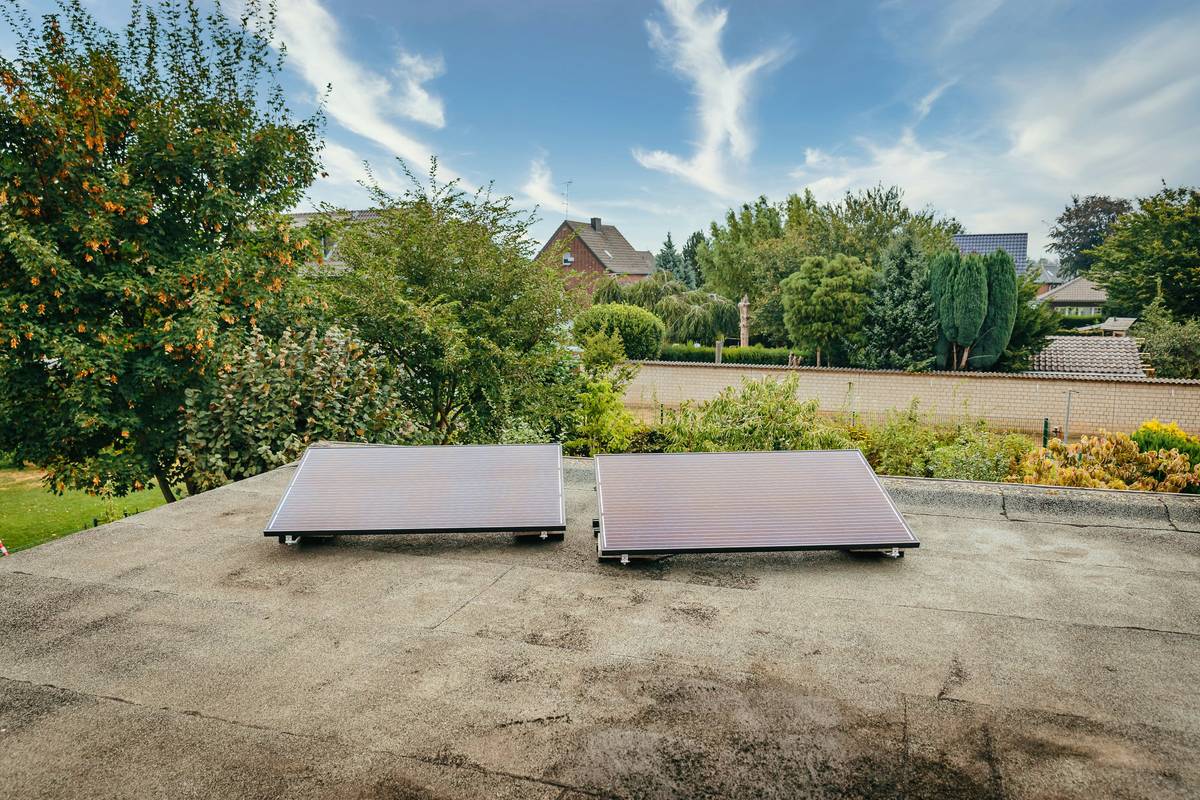
A 2020 study published in Environmental Science & Technology found that uncleaned panels in arid regions lost an average of 20% annual yield. Even in rainy climates like British Columbia, horizontal mounting traps debris that rain can’t fully wash away. That’s where targeted cleaning comes in—not as a chore, but as routine maintenance, like changing HVAC filters or gutter clearing.
Step-by-Step Guide to Safe, Effective Cleaning
Gather the Right Gear
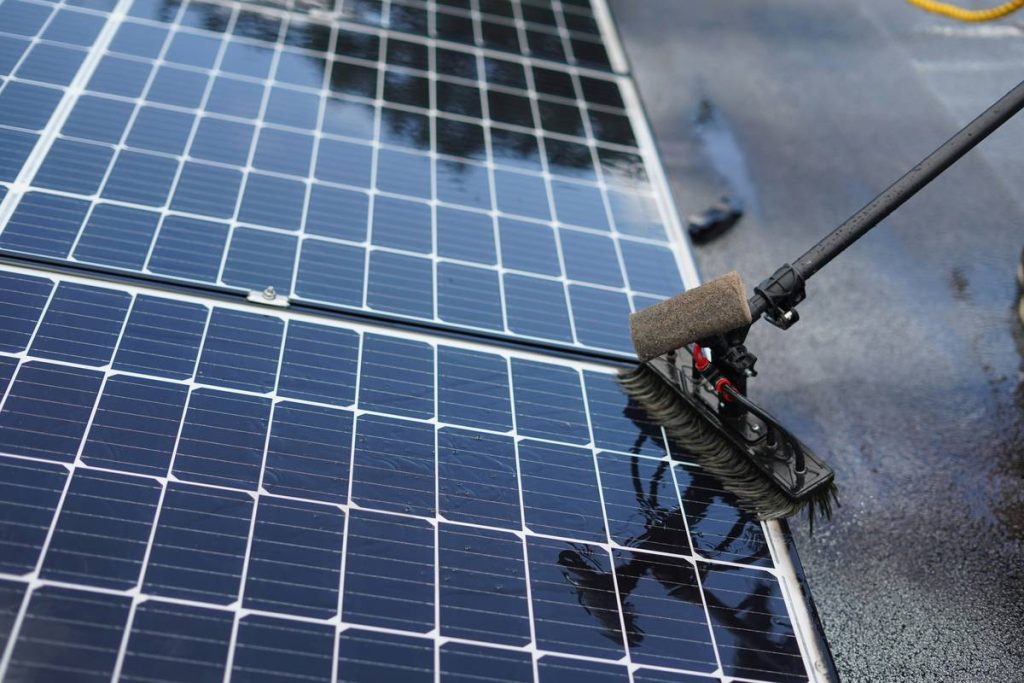
You’ll need: a soft-bristle brush (solar-specific if possible), a squeegee with a plastic blade, a bucket, deionized or distilled water (tap water leaves mineral spots), and a garden hose with a gentle spray nozzle. Skip vinegar, dish soap, or Windex—they degrade anti-reflective coatings.
Time It Right
Clean early morning or late evening when panels are cool. Hot glass + cold water = thermal shock = microfractures. Check your inverter data first; if output dropped 10%+ over two weeks with no weather explanation, cleaning likely will help.
Execute Gently
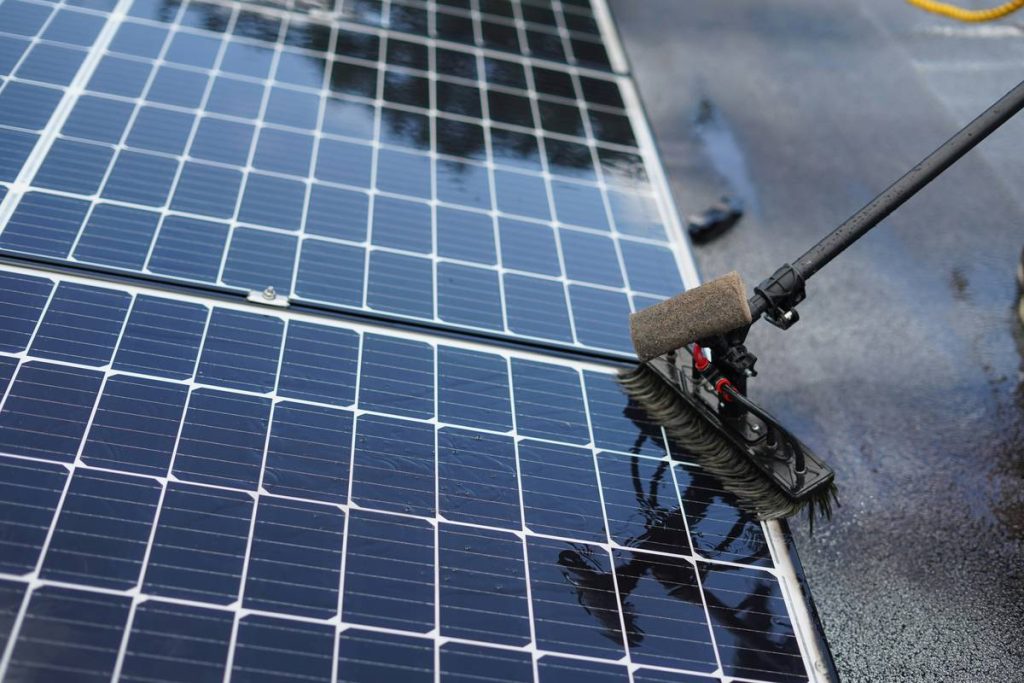
Rinse lightly to loosen debris. Gently scrub with the brush using straight strokes (no circles!). Squeegee dry to prevent water spots. Never step on panels—they’re strong under uniform load but fragile under point pressure.
7 Essential Best Practices (and 1 Terrible Tip to Avoid)
- Use filtered water: Hard water leaves limescale that attracts more dirt.
- Inspect seals annually: Cracked frames let moisture seep into junction boxes.
- Trim overhanging branches: Reduces leaf litter and bird perching zones.
- Track performance: Apps like SolarEdge or Enphase show daily kWh—use dips as cleaning triggers.
- Wear safety gear: Non-slip shoes, harness if >6 ft high, gloves.
- Avoid winter cleaning: Ice + scraping = scratches. Wait for thaw.
- Consider robotic cleaners: Devices like Ecoppia offer hands-off maintenance for large arrays.
Terrible tip to avoid: “Just hose it down from the ground.” Unless your roof is flat and low, this rarely removes stubborn grime—and angled spray can force water under panel edges, risking electrical faults.
Real Results: What Clean Panels Actually Deliver
A homeowner in Abbotsford, BC, noticed his 8 kW system producing only 28 kWh/day in mid-July—well below the expected 42 kWh. After a careful cleaning using the method above, output jumped to 40 kWh within 48 hours. That’s 12 extra kWh daily, or ~360 kWh monthly—enough to power a refrigerator for two months. Multiply that over a decade, and you’re talking real money. According to the National Renewable Energy Laboratory (NREL), consistent cleaning can boost lifetime yield by 3–8%, directly increasing your return. At Concept Solution BC, we’ve seen similar gains across dozens of residential audits—proof that energy solar panels global efficiency hinges on simple upkeep.
For authoritative guidance on PV maintenance, refer to the U.S. Department of Energy’s Homeowner’s Guide and NREL’s technical briefs. If you’re curious how we approach renewable integration, check our About Us page.
Frequently Asked Questions
How often should I clean my solar panels?
Most homes need cleaning every 6–12 months. Monitor output—if it drops unexpectedly during clear weather, inspect for dirt.
Can I use a pressure washer?
No. High-pressure streams can crack glass, dislodge wiring, or void warranties. Stick to low-pressure rinses.
Do solar panels clean themselves in the rain?
Partially—but rain rarely removes oily deposits, bird droppings, or pollen clumps, especially on tilted roofs.
Are there eco-friendly cleaning solutions?
Yes: deionized water alone is usually sufficient. Avoid commercial “solar cleaners” with surfactants unless certified by your panel manufacturer.
Will dirty panels void my warranty?
Not directly—but neglect leading to corrosion or hot spots might. Always follow OEM maintenance recommendations.
Where can I get professional help?
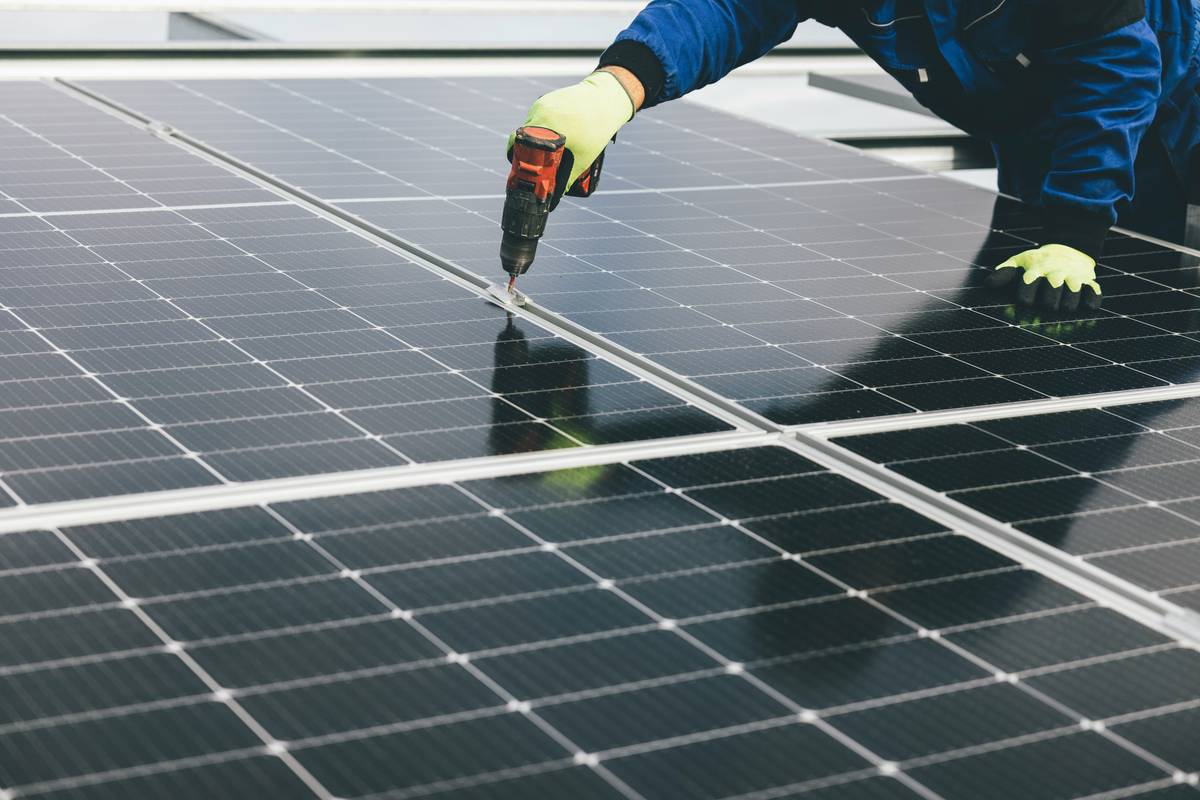
If your roof is steep, high, or your system is large, consider hiring certified technicians. Reach out via our Contact Us page—we serve the Lower Mainland with tailored renewable support. Review our Privacy Policy before submitting personal details.
Clean panels don’t just sparkle—they silently power your home’s future. Don’t let dust dim your sun. Ready to optimize your setup? Contact us today for a performance review.
*A clean panel is a working panel—one photon at a time.*