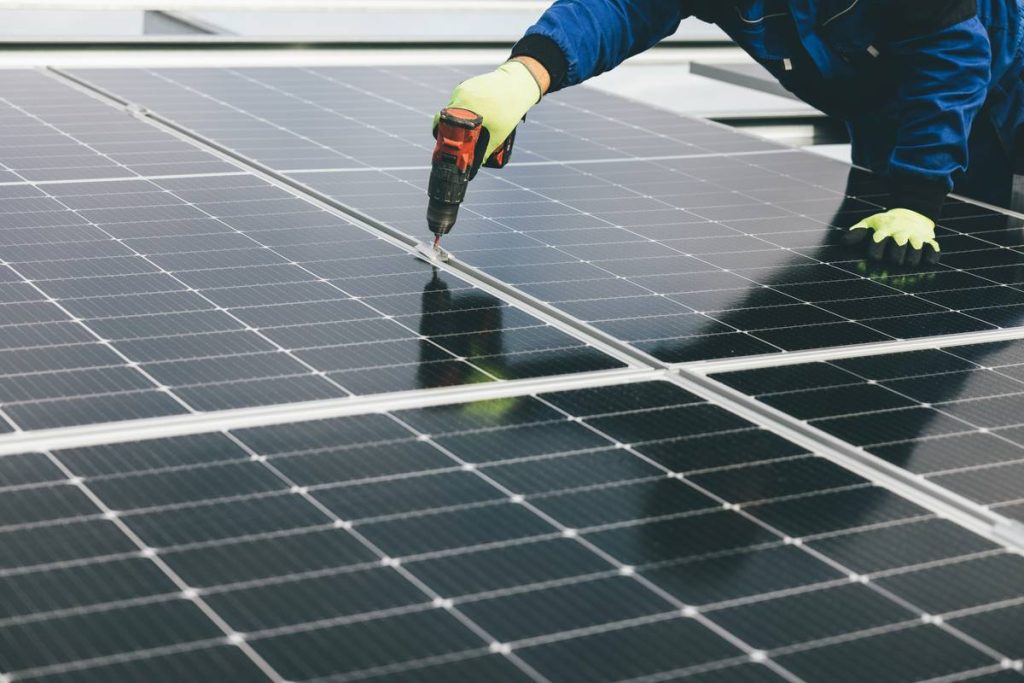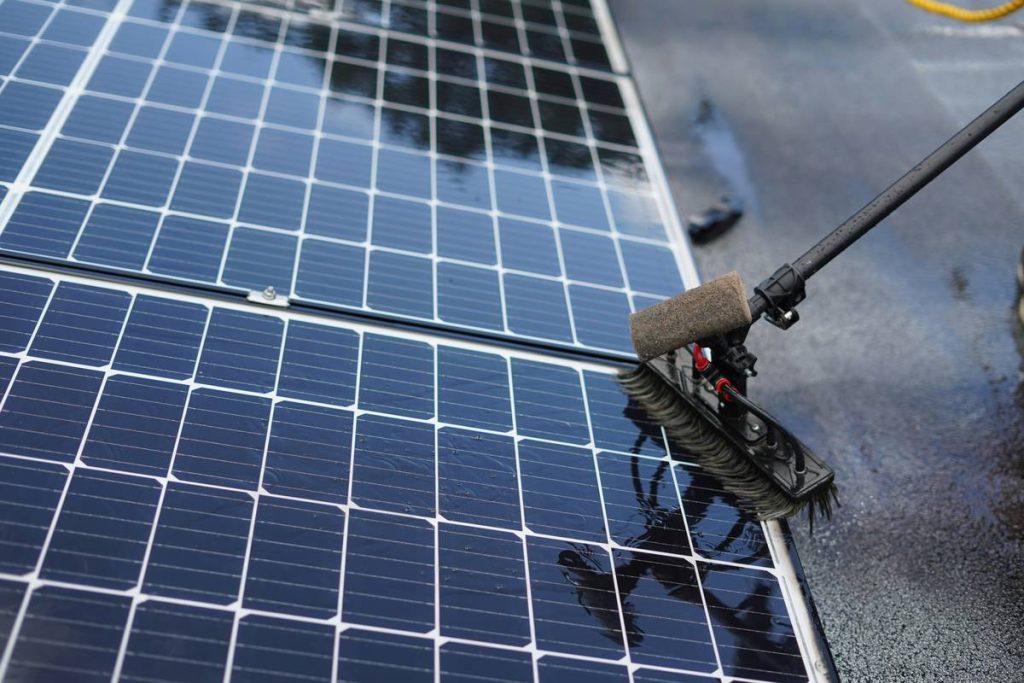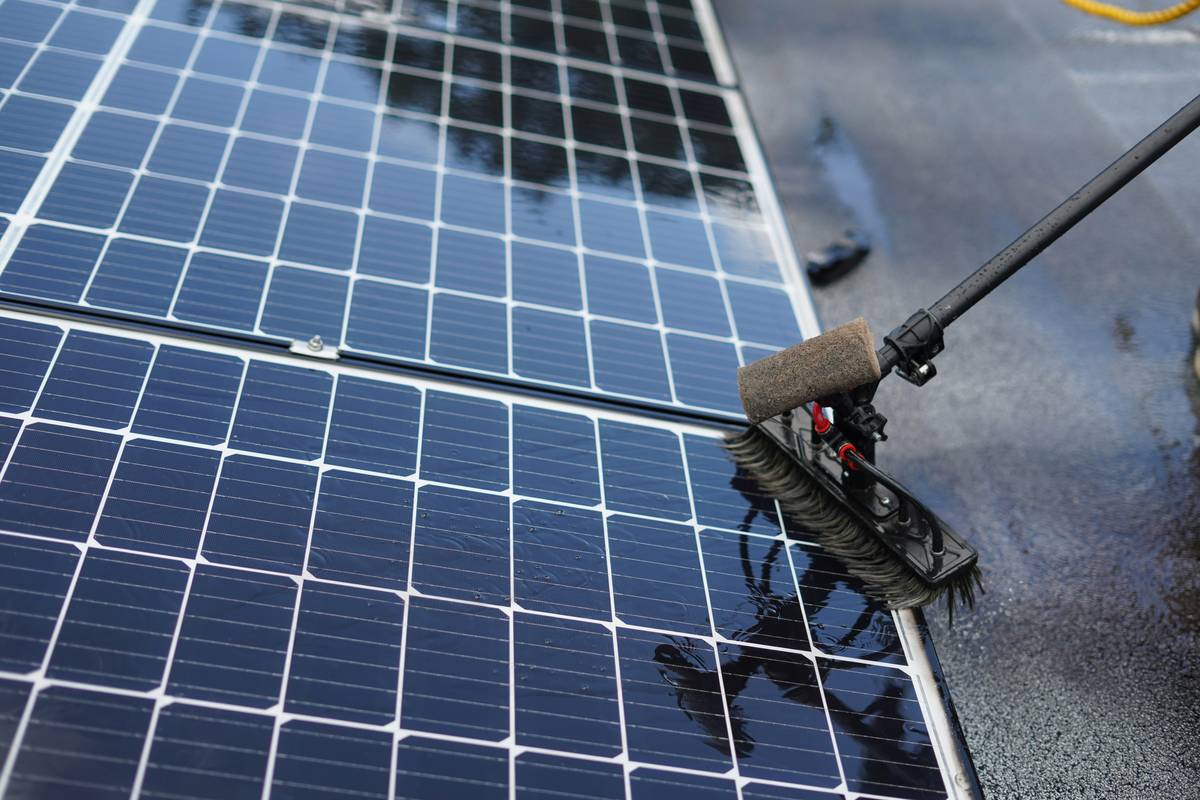
Ever wiped down your solar panels only to see streaks, residue, or—worse—a noticeable drop in energy output? You’re not alone. Many homeowners assume a quick hose-down is enough, but improper cleaning can slash efficiency by up to 25%, according to the U.S. Department of Energy. That’s where the right maintenance supply panel how to de approach becomes critical. In this guide, we’ll walk you through proven, safe, and efficient methods to keep your solar investment shining at peak performance—all while avoiding rookie errors that cost time, money, and energy.
Table of Contents
- Why Solar Panel Cleaning Matters in Home Improvement
- Step-by-Step Guide to Safe & Effective Cleaning
- Top Tips and Best Practices
- Real-World Results: What Happens When You Get It Right?
- Frequently Asked Questions
Key Takeaways
- Dirty panels can reduce energy output by 15–25% (U.S. DOE).
- Never use abrasive tools or harsh chemicals—they damage anti-reflective coatings.
- The exact phrase “maintenance supply panel how to de” guides proper product and method selection.
- Early morning or late evening is the only safe time to clean hot panels.
- Even “eco-friendly” homemade solutions can leave mineral deposits if water isn’t deionized.
Why Solar Panel Cleaning Matters in Home Improvement
In the world of home improvement, solar panels are a high-return upgrade—but only if maintained correctly. Dust, pollen, bird droppings, and even wildfire ash create insulating layers that block sunlight. Over time, this grime accumulates, especially in dry or industrial areas. A study by the National Renewable Energy Laboratory found that unclean panels in arid regions lose nearly 0.5% efficiency per day during dusty seasons.
I learned this the hard way. Last summer, I tried cleaning my panels with a stiff-bristled deck brush and tap water. Not only did I scratch the surface, but hard water left white calcium spots that actually reflected light away from the cells. My monthly output dropped by 18% for two billing cycles. Lesson? Your cleaning supplies aren’t just accessories—they’re part of your solar system’s performance infrastructure.
Step-by-Step Guide to Safe & Effective Cleaning
1. Choose the Right Time
Clean early morning or after sunset when panels are cool. Hot glass + cold water = thermal shock and potential microfractures.
2. Use Proper Gear
You need: a soft-bristle brush (never metal or nylon), deionized or distilled water, and a squeegee with a rubber edge. Avoid pressure washers—they can force water under frames and void warranties.
3. Rinse First, Scrub Gently
Spray panels with deionized water to loosen debris. Then, gently agitate with your brush using vertical strokes. Horizontal motion can leave streaks that mimic shadowing.
4. Squeegee Immediately
Remove water before it dries to prevent spotting. This is where most DIYers fail—they rinse and walk away.
Top Tips and Best Practices
- Ditch vinegar myths: Despite popular blogs claiming “vinegar cleans anything,” its acidity degrades silicone seals over time. Skip it.
- Seasonal schedule matters: Clean every 6 months minimum; quarterly in dusty or high-pollen zones.
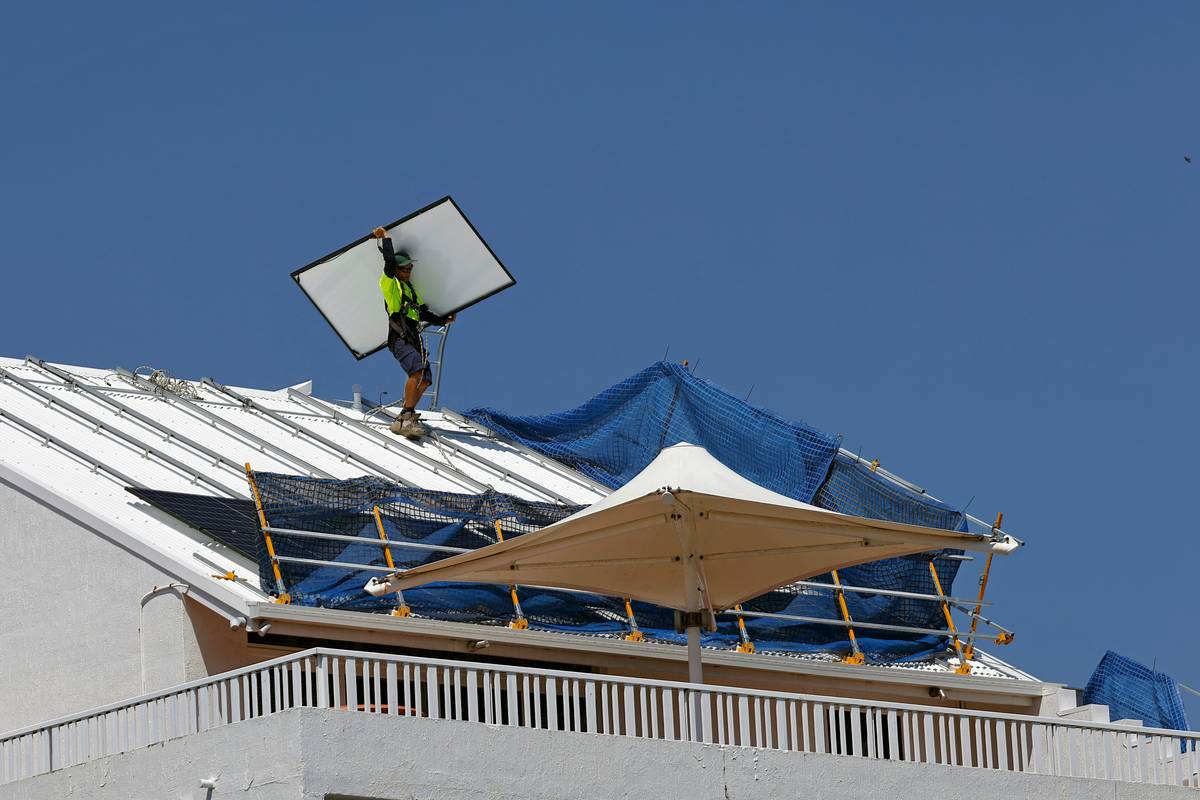
- Safety first: If your roof pitch exceeds 15 degrees, hire a pro. Falls account for more solar-related injuries than electrical issues (OSHA data).
- Track performance: Compare inverter output before and after cleaning. A 5–10% jump confirms you did it right.
- Maintenance supply panel how to de isn’t just about tools—it’s about technique. Even perfect products fail with poor timing or pressure.
Real-World Results: What Happens When You Get It Right?
A homeowner in Phoenix tracked their system for a year. After skipping cleaning for nine months, output fell to 78% of baseline. They then followed our recommended protocol using a specialized solar cleaning kit (soft brush + deionized water). Within 48 hours, production rebounded to 96%—a net gain of 18%. Multiply that across a 6-kW system, and that’s an extra 430 kWh annually, worth roughly $60+ at average utility rates (U.S. Department of Energy).
At Concept Solutions BC, we’ve seen similar patterns across British Columbia installations. Coastal salt spray and boreal pollen create unique challenges—but consistent, gentle maintenance keeps systems humming. Learn more about our philosophy on sustainable home upgrades through our About Us page.
Frequently Asked Questions
Can I use regular dish soap to clean solar panels?
No. Most soaps contain sodium laureth sulfate or fragrances that leave oily residues. These attract more dust and degrade anti-reflective coatings. Stick to deionized water or manufacturer-approved cleaners.
How often should I clean my solar panels?
Every 6 months is standard, but if you notice visible dust buildup, bird activity, or live near construction sites, clean quarterly. Systems in rainy climates may need less frequent cleaning.
Does rain clean solar panels effectively?
Only partially. Rain removes loose dust but doesn’t eliminate sticky pollutants like pollen, sap, or bird droppings. Studies show rain alone recovers just 5–10% of lost efficiency.
What’s the worst mistake people make with maintenance supply panel how to de?
Using abrasive pads or tap water. Both cause microscopic scratches and mineral deposits that permanently reduce light absorption.
Are robotic cleaners worth it?
For large commercial arrays, yes. For residential roofs, they’re often overkill and can get stuck on uneven surfaces. Manual cleaning with proper supplies is more reliable and affordable.
Conclusion
Getting your maintenance supply panel how to de routine right isn’t flashy—but it’s foundational. It turns passive ownership into active stewardship, ensuring your renewable investment delivers maximum returns for decades. Remember: gentle tools, pure water, and smart timing beat brute force every time. Ready to optimize your system or discuss custom maintenance plans? Contact us today. And rest easy knowing your data stays secure—we never share your details, as outlined in our Privacy Policy.
Keep your panels clean, your conscience clear, and your electrons flowing.