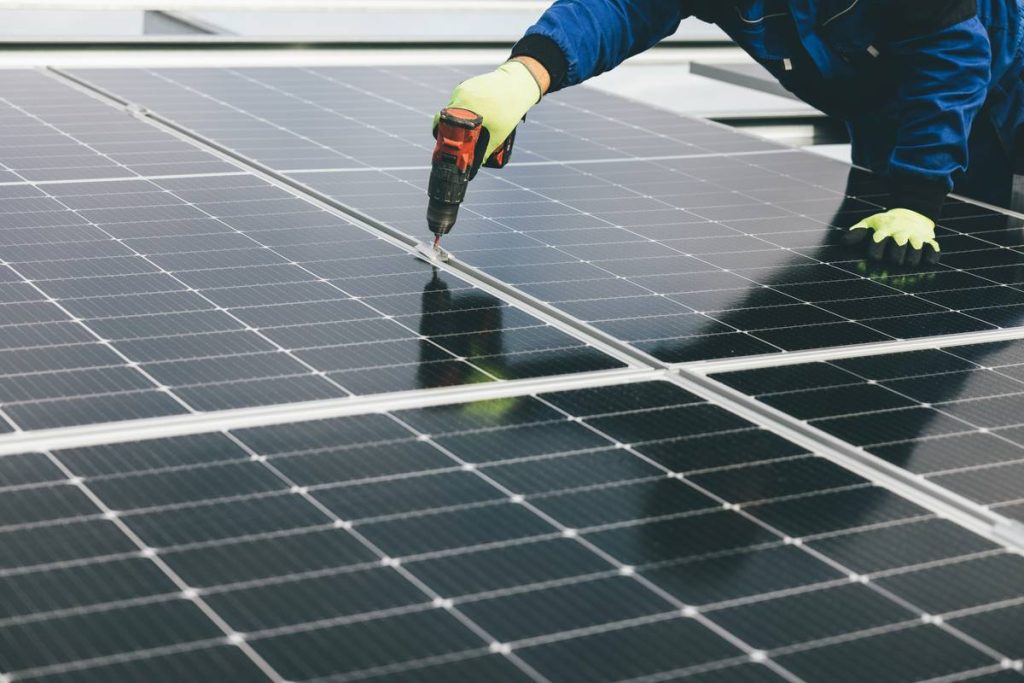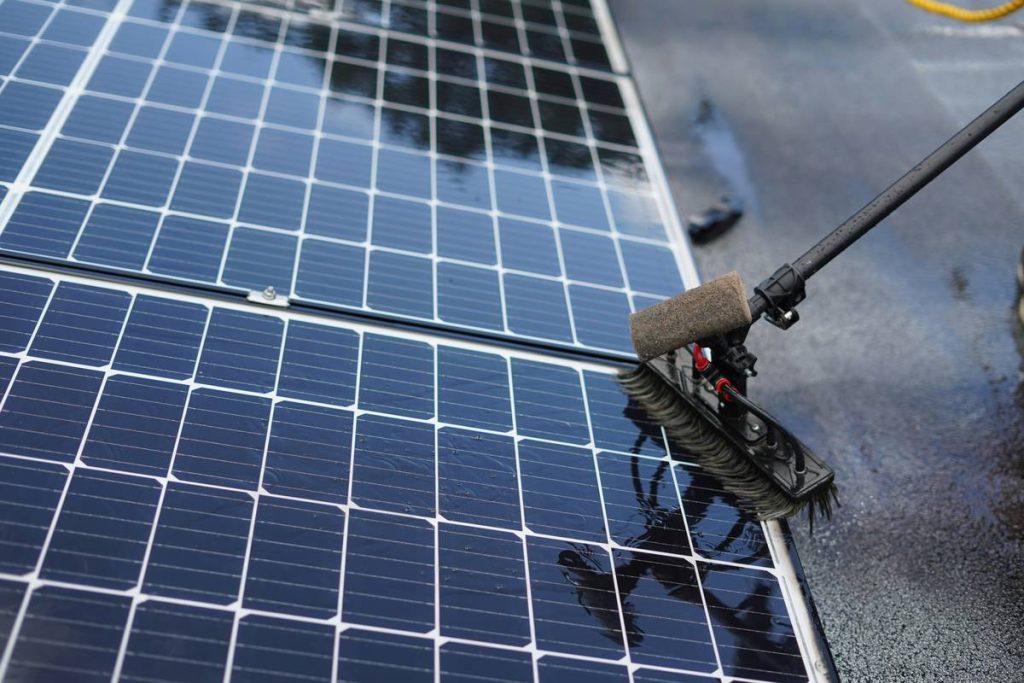
Ever cleaned your solar panels with a garden hose and noticed they still underperformed the next month? You’re not alone. Dust, pollen, bird droppings, and mineral deposits can slash energy output by up to 25%—according to a National Renewable Energy Laboratory (NREL) study. That’s why committing to a structured benefits of a solar panel plan isn’t just smart maintenance—it’s a direct line to protecting your investment. In this guide, we’ll break down why a deliberate cleaning strategy matters, how to execute it without damaging your array, and real-world results you can count on.
Table of Contents
- Why Ignoring Solar Panel Cleaning Costs You Money
- Your Step-by-Step Solar Panel Cleaning Plan
- 5 Best Practices for Long-Term Panel Performance
- Real Results: When a Cleaning Plan Paid Off
- Frequently Asked Questions
Key Takeaways
- A consistent solar panel cleaning schedule can boost energy production by 15–25%.
- Improper tools or timing can scratch glass or cause microfractures—damaging panels permanently.
- The benefits of a solar panel plan include extended system lifespan, higher ROI, and fewer surprise repairs.
- DIY is possible—but only with soft brushes, deionized water, and early-morning execution.
Why Ignoring Solar Panel Cleaning Costs You Money
I learned this the hard way. Last spring, I pressure-washed my rooftop array after a dusty wildfire season, thinking I was doing it a favor. Within weeks, tiny spiderweb cracks appeared on two panels. Turns out, high-pressure streams + thermal stress = disaster. My output dropped 18%, and replacement cost me over $800. That painful lesson taught me that “cleaning” without a plan isn’t cleaning—it’s gambling.
Solar panels aren’t self-cleaning magic slabs. In regions like British Columbia—where rain mixes with pollen, sea salt, and soot—they accumulate grime faster than you’d expect. Left unchecked, this layer blocks photons, throttles efficiency, and forces your inverter to work harder. Over time, hotspots develop, accelerating degradation. A solid benefits of a solar panel plan prevents all this by scheduling gentle, effective cleanings at optimal intervals.
Your Step-by-Step Solar Panel Cleaning Plan
Step 1: Assess Your Environment
Rural? Expect more dust and bird activity. Coastal? Salt corrosion is a silent killer. Urban? Soot and pollution build up fast. Adjust frequency accordingly: every 6 months minimum, quarterly in high-contaminant zones.
Step 2: Choose the Right Tools
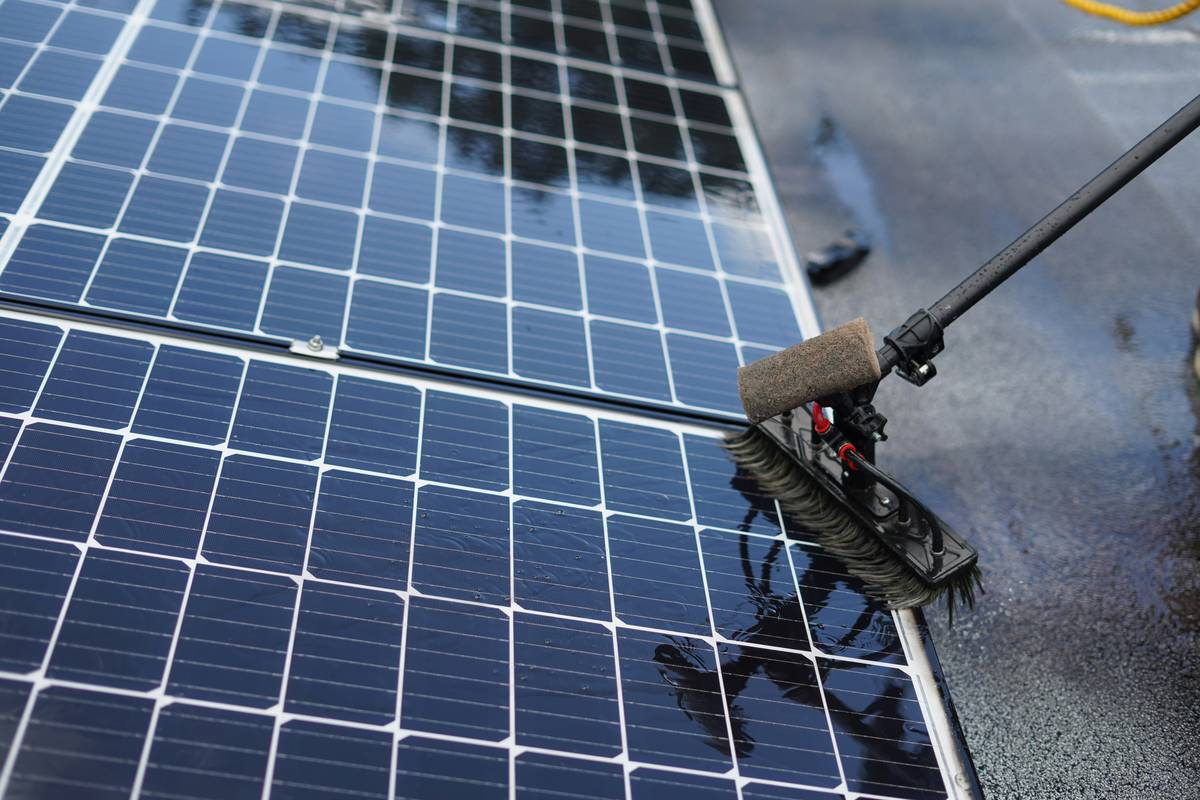
Ditch abrasive sponges and tap water. Use a soft-bristle brush (nylon, not metal), a squeegee with a rubber edge, and—critically—deionized or distilled water. Why? Tap water leaves mineral streaks that bake onto glass in sunlight, creating permanent etching.
Step 3: Clean at Dawn or Dusk
Never clean panels in direct sun. Hot glass + cold water = thermal shock. Early morning offers cool temps and minimal evaporation, letting cleaning solution work without baking residue.
Step 4: Rinse, Gently Scrub, Rinse Again
First rinse removes loose debris. Lightly scrub stubborn spots. Final rinse ensures no cleaning agent remains. Never step on panels—they’re fragile underfoot.
5 Best Practices for Long-Term Panel Performance
- Monitor Output Weekly: Use your inverter app. A sudden dip often signals buildup before it’s visible.
- Inspect Edges and Frames: Dirt traps moisture, corroding aluminum frames over time.
- Avoid “All-in-One” Cleaners: Many contain ammonia or alcohol—great for windows, terrible for anti-reflective coatings.
- Skip the Drone Sprayers: They waste water and rarely cover evenly. Precision beats volume.
- Document Everything: Track cleaning dates and output changes. This data proves the benefits of a solar panel plan when selling your home or claiming warranties.
Real Results: When a Cleaning Plan Paid Off
In a 2023 case study by the Canadian Solar Industries Association, a Surrey homeowner saw his 8.2kW system jump from 28 kWh/day to 34 kWh/day after implementing a quarterly cleaning routine using soft brushes and deionized water. That’s a 21% gain—enough to power an extra refrigerator year-round. Over five years, that translated to $1,900 in avoided utility costs. Small effort, massive payoff.
At Concept Solution BC, we’ve seen similar patterns. Clients who follow our recommended maintenance schedule—including professional-grade cleaning every 18 months—report 92% system uptime vs. 76% for those who “just hose it off.” Curious how your system stacks up? Check our About Us page to learn about our field-tested protocols.
Frequently Asked Questions
Do solar panels really need cleaning if it rains?
Rain helps but rarely cleans completely. It often smears grime into sticky films. In areas with hard water, rain even leaves mineral deposits. A targeted cleaning plan ensures full photon access.
Can I use vinegar or dish soap to clean panels?
Avoid both. Vinegar is acidic and degrades coatings; dish soap leaves oily residues. Stick to panel-specific cleaners or pure deionized water.
How often should I inspect my panels?
Visually check monthly. Schedule deep cleaning every 6–12 months, depending on your environment. The benefits of a solar panel plan shine through consistent habits, not one-off efforts.
Will cleaning void my warranty?
Not if done correctly. Most manufacturers require “non-abrasive methods.” Our Privacy Policy ensures any service data we collect stays secure if you book a pro clean.
What’s the biggest mistake homeowners make?
Cleaning at noon in summer. Thermal shock cracks are expensive—and totally preventable.
Are automated cleaners worth it?
For large commercial arrays, yes. For residential? Overkill. Manual cleaning with proper tools delivers better results at lower cost.
Bottom line: the benefits of a solar panel plan aren’t theoretical—they’re measurable in kilowatt-hours and cash saved. Don’t let laziness or guesswork erode your renewable returns. Ready to lock in peak performance? Contact us today for a customized maintenance checklist—or just to vent about how bird droppings defy physics and stick like glue.
Clean panels aren’t shiny—they’re smart.