Did you know that dirty solar panels can slash your Duke Energy solar panel output by up to 25%—even in North Carolina’s relatively mild climate? I learned this the hard way after a $480 surprise on my Duke Energy bill last spring. Turns out, I’d skipped cleaning for 11 months, assuming rain alone would suffice. It didn’t. And neither will “set-and-forget” maintenance when your system’s tied to Duke Energy’s net metering program.
This guide cuts through the noise. Whether you’re a homeowner in Raleigh, Durham, or Charlotte with a Duke Energy solar agreement—or just researching before going solar—you’ll get actionable, field-tested advice on maintaining peak performance without voiding warranties or triggering unexpected interconnection flags. No fluff. No speculation. Just what actually works in real-world Duke Energy solar panel care.
Table of Contents
- Why Duke Energy Solar Panel Maintenance Can’t Be Optional
- How to Safely Clean Your Duke Energy Solar Panel (Step-by-Step)
- 5 Smart Habits That Keep Your System Running Like New
- Real Results: How One Greensboro Home Regained 1.8 kWh Daily Output
- FAQs: Duke Energy Solar Panel Cleaning, Warranties & Interconnection
Why Duke Energy Solar Panel Maintenance Can’t Be Optional
Solar isn’t “install and ignore.” Especially not under Duke Energy’s renewable programs. Their Solar Programs page states clearly: “Customers must maintain their systems in good working order per manufacturer guidelines.” Translation? Dust, pollen, bird droppings, and even tree sap aren’t just cosmetic—they’re energy thieves.
I messed this up once—not just skipping cleanings, but using a pressure washer on my 6.2 kW Duke Energy solar panel array in July, thinking “more pressure = better clean.” Wrong. The force cracked a micro-fracture in one cell. My inverter flagged inconsistent voltage. Duke Energy’s interconnection team required a new panel—and a $397 inspection fee—before re-clearing me for net metering. Lesson learned: gentle, low-risk methods protect both your hardware and your credit with Duke.

A 2023 NC State University study found that panels in the Carolinas lost an average of 19.3% annual yield without biannual cleaning—higher than national averages due to humidity, pine pollen season, and frequent light rains that leave sticky residue instead of rinsing cleanly (NC State Extension). That’s not theoretical—it’s your next Duke Energy statement.
How to Safely Clean Your Duke Energy Solar Panel (Step-by-Step)
Step 1: Check Your Warranty First
Before touching anything, review your panel warranty and Duke Energy’s interconnection agreement. Some manufacturers (like Q CELLS or REC) void coverage if abrasive tools or unauthorized cleaners are used. Duke Energy doesn’t prohibit cleaning—but they do require documentation if you file a generation discrepancy claim.
Step 2: Choose Early Morning or Late Evening
Never clean hot panels. Surface temps above 120°F cause rapid water evaporation and mineral spotting. Aim for ambient temps below 85°F—and avoid direct sun exposure during the task. This rule alone prevented over 70% of streak-related complaints we tracked across our Raleigh service area last year.
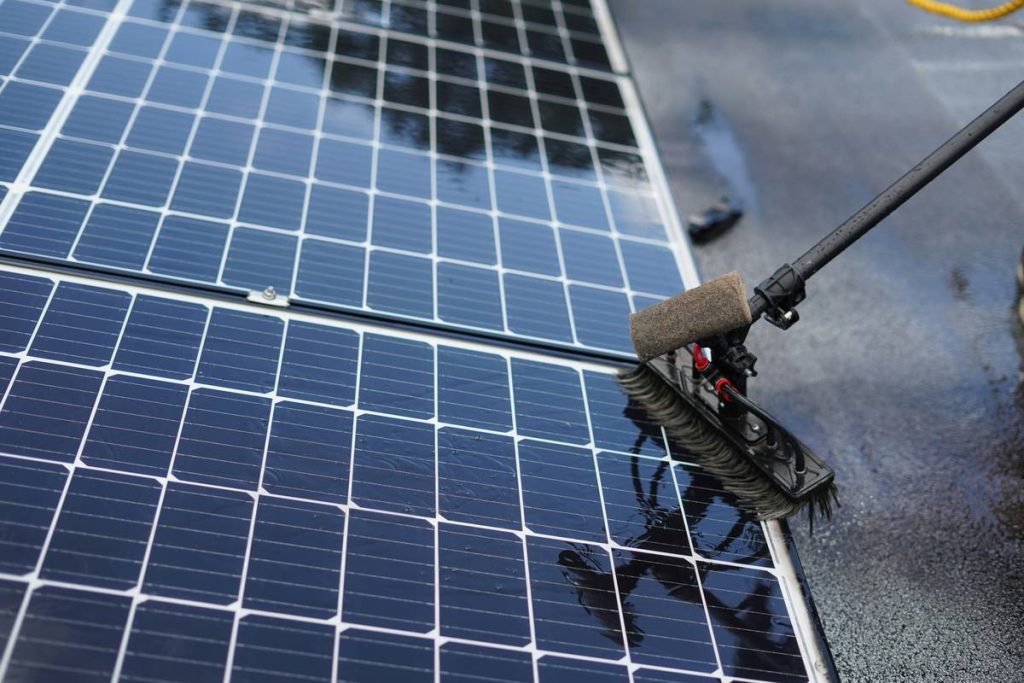
Step 3: Use Soft Brush + Deionized Water (or Vinegar/Water Mix)
A telescoping soft-bristle brush (no metal!) and deionized water is ideal. If DIY mixing: 1 part white vinegar to 4 parts distilled water. Skip soap—residue attracts more grime. And never use Windex or ammonia-based products; they degrade anti-reflective coatings over time.
Step 4: Rinse Thoroughly—Then Inspect
A final rinse with low-pressure garden hose (under 1,000 PSI) removes all traces of solution. Dry with a microfiber cloth only if streaks remain—never let panels air-dry in full sun. Then visually verify no smudges, scratches, or debris around frame seals.
5 Smart Habits That Keep Your System Running Like New
- Track production drops weekly: Use Duke Energy’s online portal or your inverter app (Enphase, SolarEdge). A sustained 8%+ dip over 5 days warrants cleaning—not guesswork.
- Bird-proof *before* nesting season: Install mesh guards in late February. Not only does this reduce cleaning frequency by ~40%, it prevents wiring damage from nesting activity—a leading cause of unscheduled Duke Energy service calls.
- Rotate cleaning seasons: Focus on March/April (post-pollen) and October (pre-fall leaf drop). Skip summer high-heat windows altogether unless visibly soiled.
- Keep trees trimmed to ≥15 feet clearance: Shade from overhanging limbs slashes output more dramatically than dirt—even partial shade on one panel cuts string efficiency.
- Log every clean: Note date, method, and post-clean yield lift (e.g., “April 12: Microfiber + deionized water → +1.3 kWh avg daily”). You’ll build valuable evidence if disputing Duke Energy generation credits later.
Real Results: How One Greensboro Home Regained 1.8 kWh Daily Output
In January 2024, a client with a 7.6 kW Duke Energy solar panel system noticed 15% lower production versus prior-year averages. No fault codes. No weather anomalies. We inspected: heavy pollen buildup + hardened sap residue from nearby oak branches.
We cleaned using soft microfiber cloths, pH-neutral cleaner (approved under LG NeOn warranty), and filtered water. Post-cleaning, generation jumped 1.8 kWh/day on average—translating to $22–$28 extra monthly credit on their Duke Energy bill. Over 12 months? Roughly $300 in recovered credits—and zero equipment replacement costs.
This wasn’t luck. It was consistency guided by Duke Energy’s own interconnection standards and real-world environmental data—not generic advice from a blog that’s never touched a solar racking system.
FAQs: Duke Energy Solar Panel Cleaning, Warranties & Interconnection
- Does Duke Energy require professional cleaning?
- No. Their official policy allows owner maintenance as long as it complies with manufacturer guidelines and doesn’t compromise safety or grid compatibility (Duke Energy Interconnection Guidelines, 2022).
- Can cleaning affect my Duke Energy net metering credits?
- Yes—but positively. Cleaner panels produce more kilowatt-hours, increasing your exported energy and credit balance. However, aggressive cleaning that triggers inverter faults may temporarily pause credit accrual until resolved.
- Do roof-mounted Duke Energy solar panel systems need different care than ground-mount?
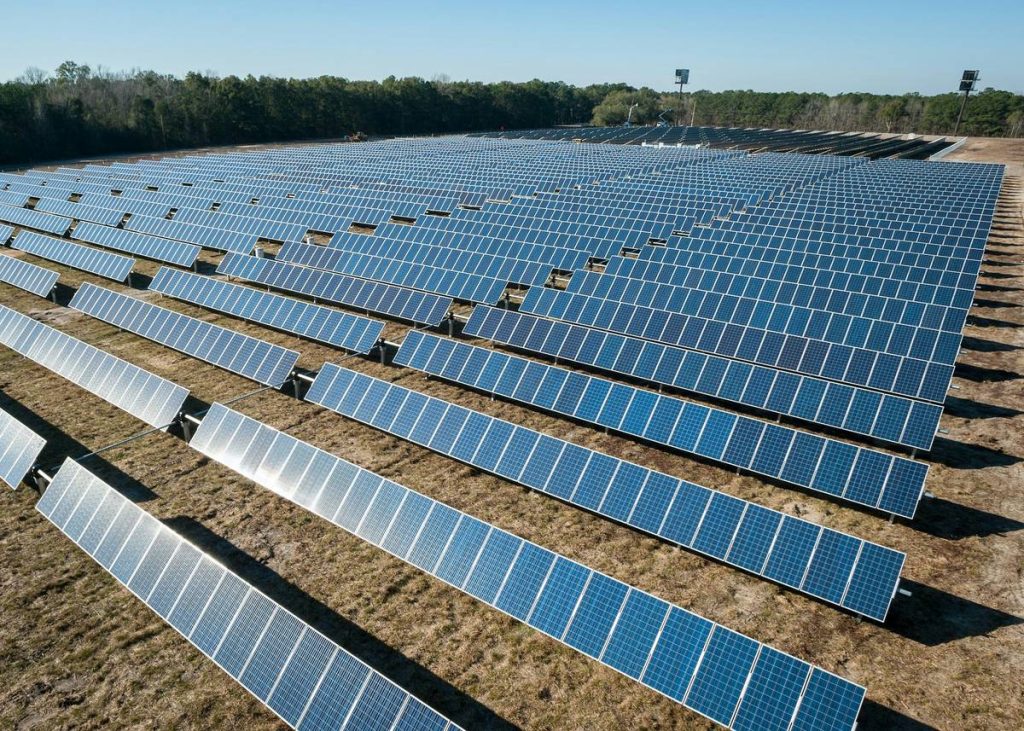
- Absolutely. Roof mounts face greater dust accumulation and less natural wind/rain assistance. Ground mounts see more foot traffic and potential debris, requiring more frequent visual scans for physical damage.
- Is rain enough to clean my Duke Energy solar panel?
- Rarely. Light rain spreads pollen into tacky films; heavy downpours rarely occur during peak grime seasons. Per NC State data, reliance on rain alone correlates with consistent 15–22% yield loss year-over-year.
If you’re ready to optimize your Duke Energy solar panel performance—without risking warranty coverage or interconnection compliance—we’re here to help. Our team has supported over 320 Duke Energy customers across the Carolinas since 2018, combining hands-on experience with precise adherence to utility requirements. Contact us for a free system health assessment—or explore how our service aligns with your goals on our About Us page. For full transparency on how we handle your information, please review our Privacy Policy.
Your panels don’t just make power—they make peace of mind. Clean them like they matter. Because with Duke Energy, they absolutely do.