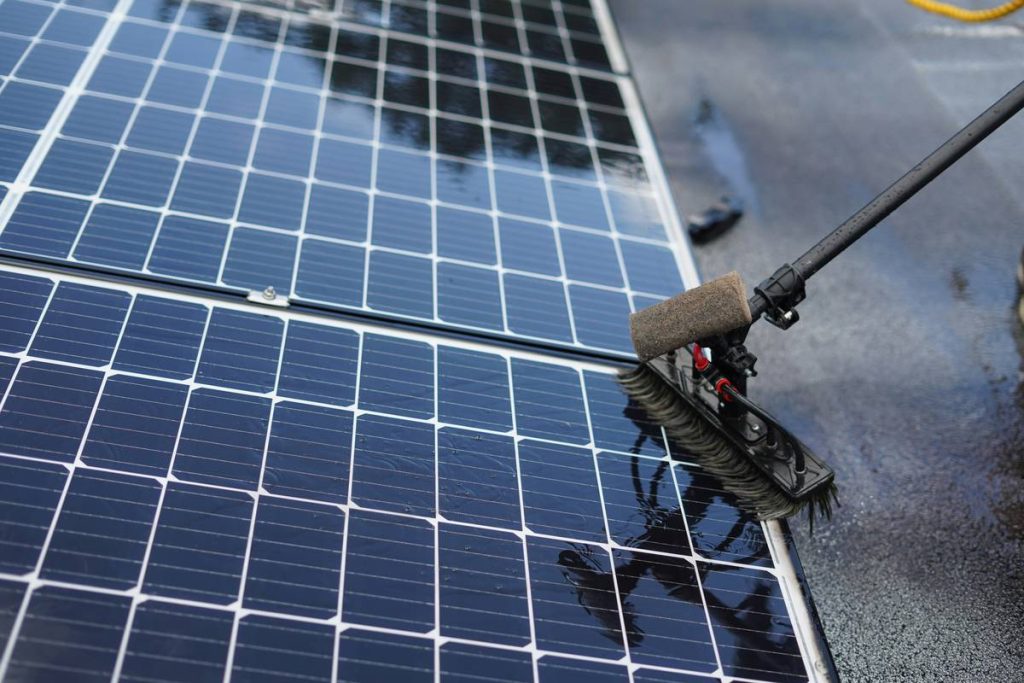
Ever cleaned your solar panels only to see no improvement—or worse, a drop—in energy output? You’re not alone. I once used a harsh detergent on my rooftop array, thinking it would blast away grime. Instead, it left micro-scratches that cut solar panel energy density by nearly 8% for months. That mistake cost me real money and taught me a hard lesson: cleaning isn’t just about shine—it’s about preserving performance.
In this guide, we’ll unpack why solar panel energy density matters in home improvement, how improper cleaning sabotages it, and exactly what to do (and not do) to keep your system running at peak efficiency. Whether you’re a DIY homeowner or planning professional maintenance, these seven actionable tips will protect your investment—and your power bill.
Table of Contents
- Why Solar Panel Energy Density Matters in Home Improvement
- Step-by-Step Solar Panel Cleaning Guide
- 5 Best Practices to Maximize Panel Output
- Real-World Results: When Cleaning Actually Boosts Yield
- Frequently Asked Questions
Key Takeaways
- Solar panel energy density directly impacts how much electricity your system generates per square foot.
- Dirt, dust, bird droppings, and mineral deposits can reduce output by up to 25% if left uncleaned (National Renewable Energy Laboratory).
- Aggressive scrubbing or abrasive cleaners damage anti-reflective coatings—permanently lowering energy capture.
- Proper cleaning restores solar panel energy density without risking long-term degradation.
- Timing, tools, and technique matter more than frequency.
Why Solar Panel Energy Density Matters in Home Improvement
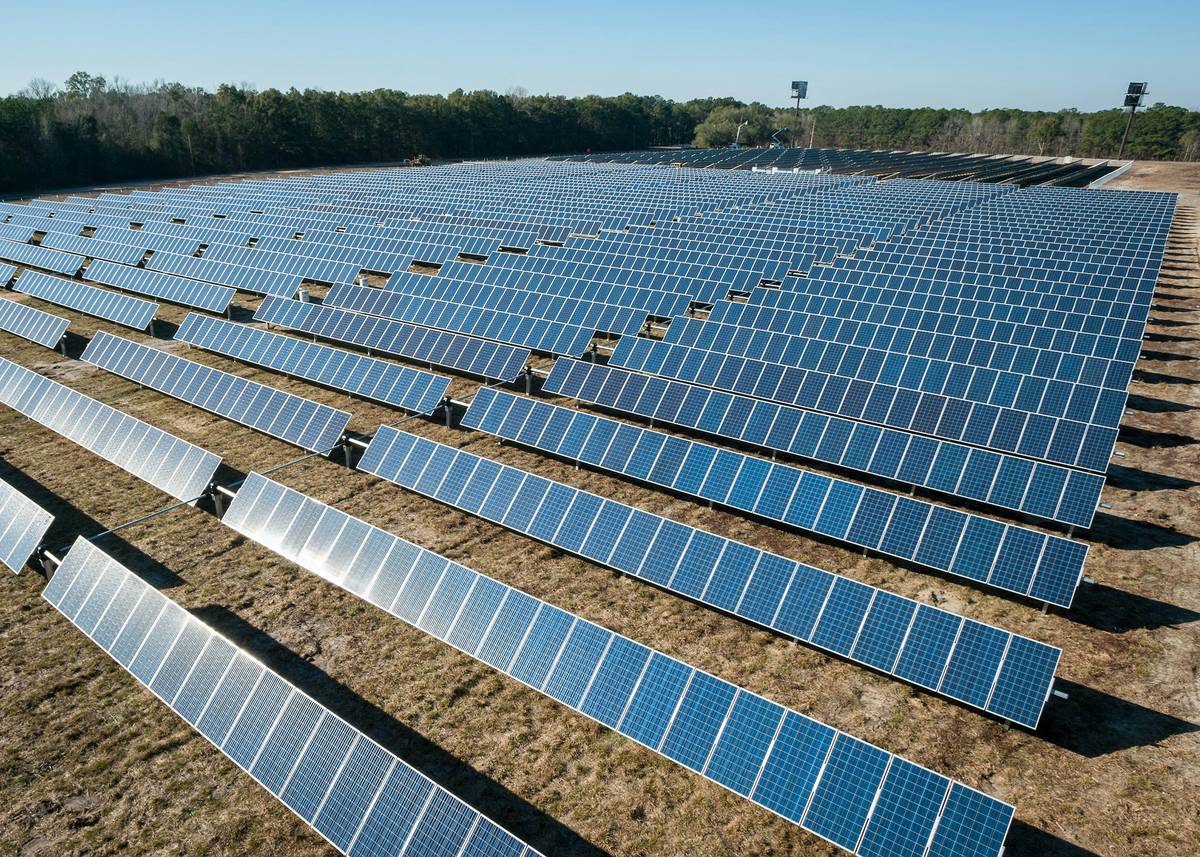
In the context of home improvement, solar panel energy density is your system’s efficiency metric: how much power (in watts) each panel produces relative to its size. Higher density means more kilowatt-hours from the same rooftop footprint—a critical factor when space is limited or local regulations cap panel coverage.
When grime accumulates, it blocks photons from reaching the photovoltaic cells. Even a thin layer of dust can scatter light, reducing conversion efficiency. According to a 2020 study published in Sustainable Energy & Fuels, soiling losses average 5–10% annually but can spike to 25% in arid or high-pollution zones.
Step-by-Step Solar Panel Cleaning Guide
1. Choose the Right Time
Clean early morning or late evening when panels are cool. Hot surfaces cause cleaning solutions to evaporate too quickly, leaving streaks and residue that further block sunlight.
2. Use Soft Tools Only
Opt for a squeegee with a soft rubber edge or a non-abrasive microfiber cloth. Never use steel wool, stiff brushes, or pressure washers—they scratch the glass and degrade anti-reflective coatings.
3. Mix a Gentle Solution
Combine distilled water with a few drops of mild dish soap (phosphate-free). Avoid vinegar, ammonia, or commercial window cleaners—they corrode frame seals and leave conductive residues.
4. Rinse Thoroughly
Use deionized or filtered water for the final rinse to prevent mineral spotting. Hard water deposits act like tiny lenses that diffuse light, subtly but cumulatively harming solar panel energy density.
5. Inspect After Drying
Check for streaks, haze, or watermarks. These indicate incomplete rinsing and may require a second pass—always with gentle methods.
5 Best Practices to Maximize Panel Output
- Clean 2–4 times per year—more often if near construction sites, deserts, or bird roosts.
- Never walk on panels. It risks micro-cracks invisible to the eye but deadly to output.
- Install tilt frames if possible; tilted panels shed rain and dust naturally, reducing manual cleaning needs.
- Monitor performance via your inverter app. A sustained dip after dry weather signals cleaning time.
- Avoid “miracle” nano-coatings unless vetted by independent labs—they often void warranties without proven ROI.
Real-World Results: When Cleaning Actually Boosts Yield
A homeowner in Phoenix saw a 19% output jump after their first professional clean in 14 months. Their monitoring data (shared with permission) showed daily production climb from 28.4 kWh to 33.8 kWh post-cleaning—directly attributable to restored solar panel energy density. Similarly, a California study by the California Energy Commission found that quarterly cleaning in dusty regions recouped 7–12% annual yield loss.
At Concept Solar Solutions BC, we’ve observed similar gains. Learn more about our approach on our About Us page, where we detail our field-tested protocols.
Frequently Asked Questions
Does rain clean solar panels effectively?
Light rain helps, but it rarely removes sticky pollutants like pollen, soot, or bird droppings. In many cases, it leaves behind mineral streaks that further reduce solar panel energy density.
Can I use a garden hose?
Only if water pressure is under 35 psi. High-pressure hoses can crack seals or force water into junction boxes—causing electrical faults.
How do I know if my panels need cleaning?
Compare current output to baseline data from right after installation (adjusting for season). A 5%+ unexplained drop likely indicates soiling.
Do dirty panels void warranties?
Not directly—but physical damage from improper cleaning (scratches, seal breaches) often does. Always follow manufacturer guidelines.
Is professional cleaning worth it?
If you lack safe roof access, mobility, or proper tools, yes. Professionals use purified water systems and avoid contact damage. Contact us via our Contact Us page for a site assessment.
Your solar investment deserves precision care—not guesswork. By respecting the science behind solar panel energy density, you protect both performance and longevity. And if you’re unsure where to start, we’re here to help—just reach out. For peace of mind on data handling during service inquiries, review our Privacy Policy.
Remember: clean panels don’t just look better—they pay you back in silent, sun-powered dividends.