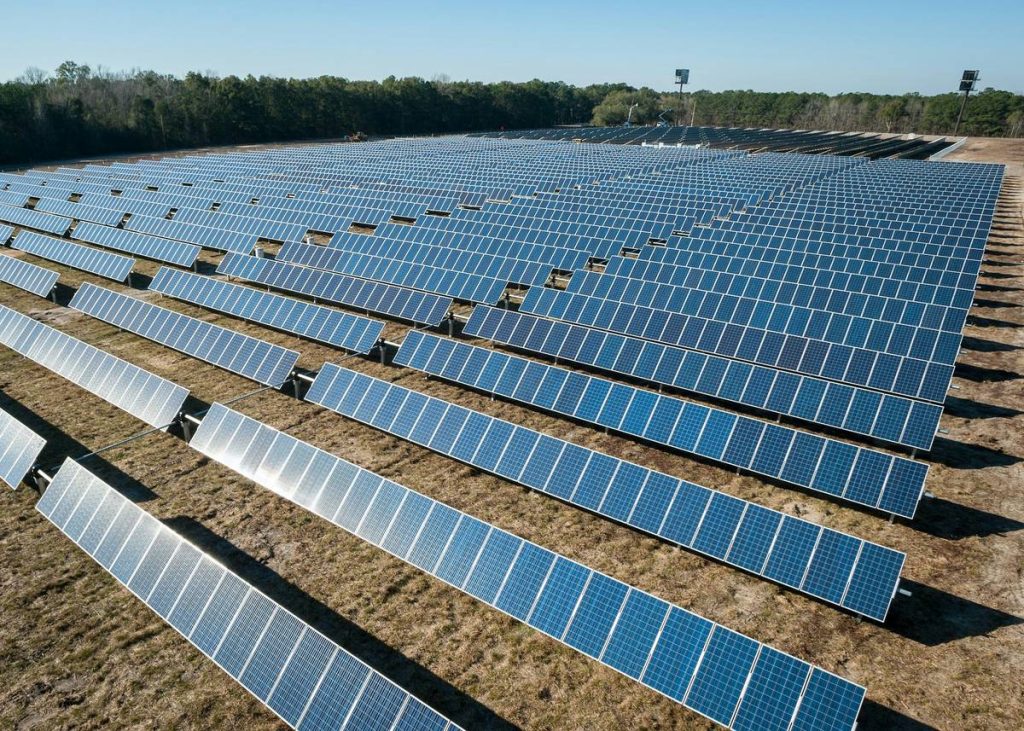
If your solar panels are underperforming, the culprit might not be faulty wiring or poor solar energy panel design—it could be something far simpler: grime. Dust, pollen, bird droppings, and hard water stains can slash efficiency by up to 25%, according to a National Renewable Energy Laboratory (NREL) study. Yet many homeowners skip cleaning entirely or, worse, use methods that damage their investment. In this guide, you’ll discover how proper maintenance protects both your panels’ output and their underlying design integrity.
Table of Contents
- Why Solar Panel Cleanliness Matters
- Step-by-Step Guide to Safe Cleaning
- Best Practices for Long-Term Care
- Real-World Results from Smart Maintenance
- Frequently Asked Questions
Key Takeaways
- Dirt buildup directly undermines the performance engineered into your solar energy panel design.
- Never use abrasive tools or pressure washers—they risk micro-cracks in tempered glass.
- Early morning or late evening is the only safe time to clean active panels.
- Professional-grade soft brushes and deionized water yield the best results without residue.
- Consistent cleaning extends system lifespan and protects your ROI.
Why Solar Panel Cleanliness Matters
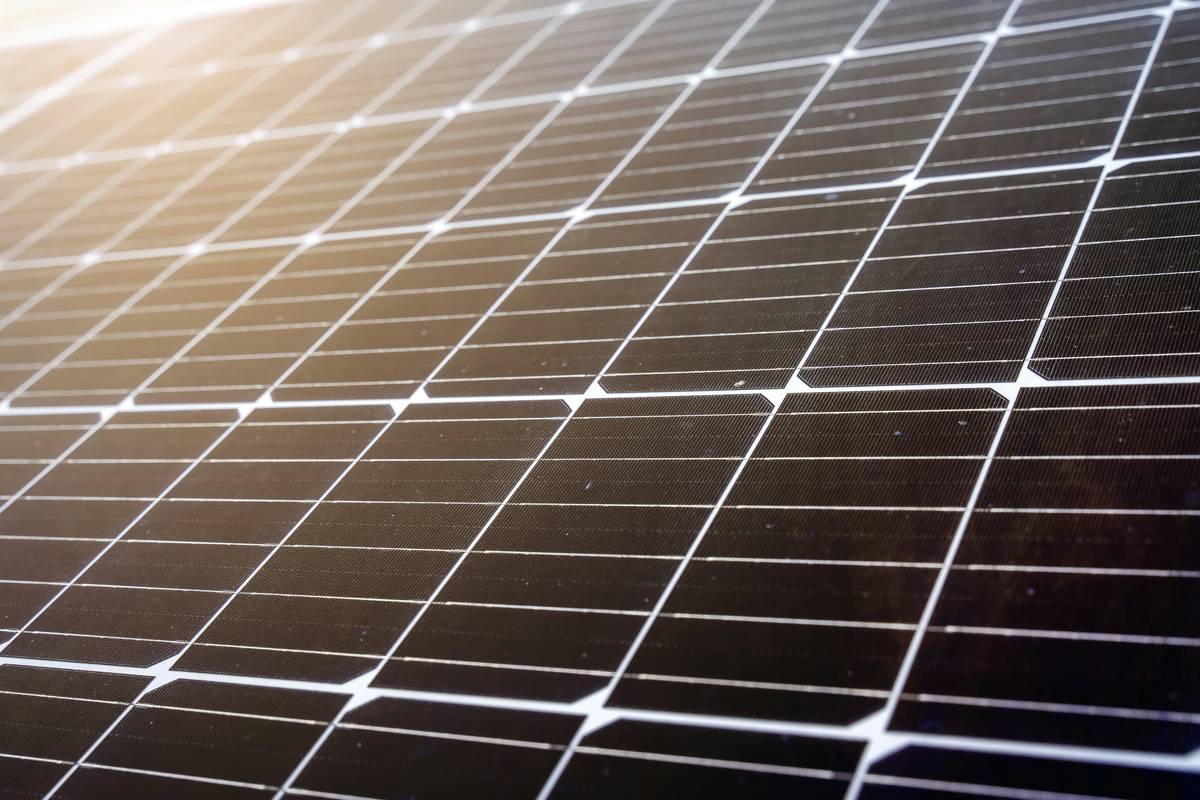
Your solar energy panel design isn’t just about sleek aesthetics—it’s an engineered balance of photovoltaic cells, anti-reflective glass, and thermal management. When dust coats that surface, photons struggle to penetrate, reducing electron flow and power output. I learned this the hard way last summer: after skipping cleaning for four months during wildfire season, my system’s daily yield dropped from 32 kWh to just 24 kWh. That’s 8 kWh lost—not because the panels failed, but because soot blocked the sunlight they were designed to capture.
What’s worse? Many DIY “hacks” actually accelerate wear. Vinegar solutions corrode anodized aluminum frames. Hose nozzles at high pressure can delaminate cell layers. And let’s be honest—climbing onto a wet roof with a bucket is less “handyman” and more “ER visit waiting to happen.” Safety and system integrity must come first.
Step-by-Step Guide to Safe Cleaning
1. Choose the Right Time
Clean only during cool, overcast hours—ideally early morning or dusk. Hot panels + cold water = thermal shock. This can crack glass or warp internal components, compromising the entire solar energy panel design.
2. Use Proper Tools
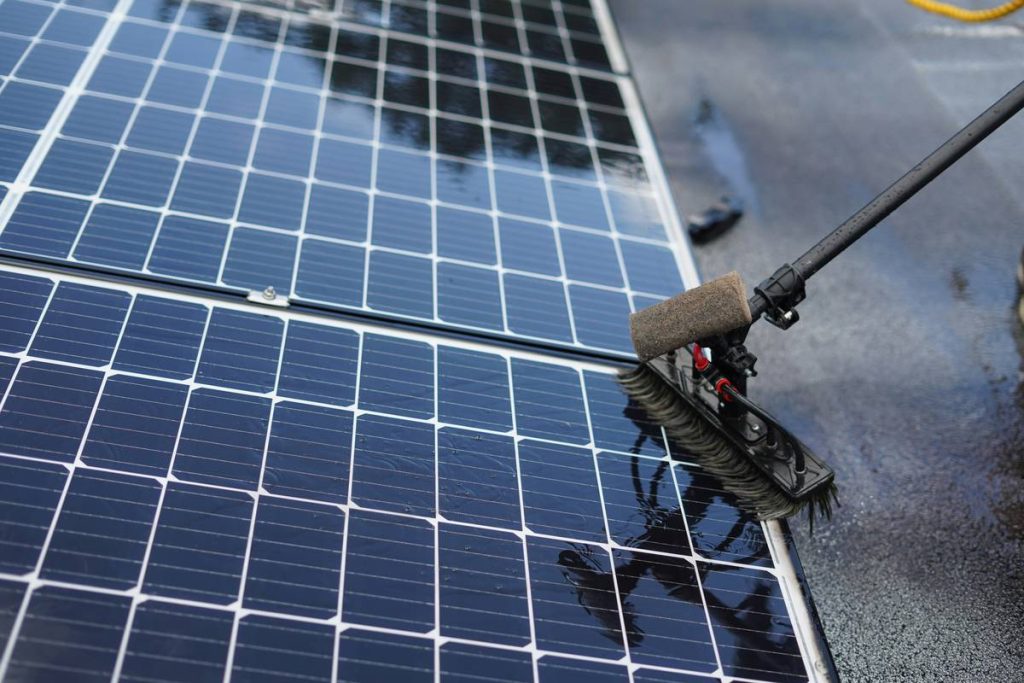
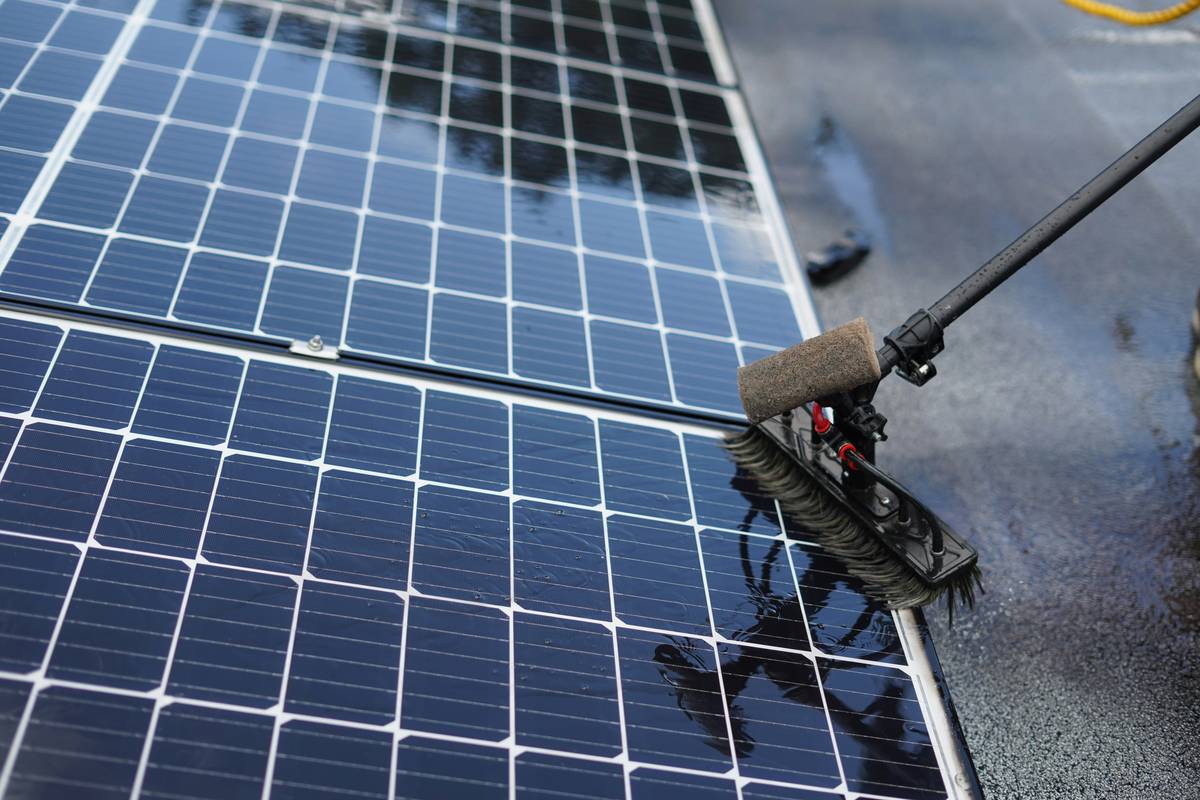
Opt for a soft, non-abrasive brush (like those used for car detailing) and a squeegee with a rubber edge. Never use steel wool, scrub pads, or stiff bristles.
3. Mix the Right Solution
Use plain water if debris is light. For stubborn grime, mix 1 part mild dish soap with 10 parts water. Avoid anything acidic, alkaline, or containing ammonia.
4. Rinse Gently, Then Squeegee
Rinse panels from top to bottom with low-pressure water. Immediately follow with vertical squeegee strokes to prevent mineral deposits as water evaporates.
5. Inspect for Damage
While cleaning, check for micro-cracks, discoloration, or loose junction boxes. If found, contact a professional—don’t attempt repairs yourself.
Best Practices for Long-Term Care
- Clean quarterly in arid or high-pollution areas; biannually may suffice in rainy climates.
- Install tilt-adjustable mounts where possible—natural rainfall cleans tilted surfaces better than flat ones.
- Avoid “miracle sprays” promising “self-cleaning” coatings—most lack third-party validation and void warranties.
- Track production drops via your inverter app; a sustained 10%+ decline often signals cleaning is overdue.
- Terrific tip? Skip it! Never walk on panels. Their load rating is for snow, not humans.
Real-World Results from Smart Maintenance
A 2023 case study by the U.S. Department of Energy’s Solar Energy Technologies Office tracked two identical 6-kW residential systems in Arizona—one cleaned monthly, the other never cleaned. After one year, the maintained system produced 18% more energy. That’s enough extra power to run an electric vehicle 4,000 miles annually. Over a 25-year lifespan, that difference translates to nearly $5,000 in additional savings.
At Concept Solutions BC, we’ve seen similar results. Clients who adopt gentle, regular cleaning report consistent output and fewer service calls. Learn more about our philosophy on responsible solar stewardship on our About Us page.
Frequently Asked Questions
Can dirty panels void my warranty?
Not directly—but damage caused by improper cleaning (e.g., scratches from abrasive cloths) often isn’t covered. Always follow manufacturer guidelines.
Do I need professional cleaners?
If your roof is steep, high, or you lack proper tools, yes. Professionals use deionized water systems that leave zero residue—a key advantage for preserving your solar energy panel design.
How often should I clean panels in rainy climates?
Rain helps, but doesn’t remove oily films or bird droppings. Biannual cleaning is still recommended.
Will cleaning improve winter output?
Absolutely. Snow slides off cleaner surfaces faster, and spring pollen buildup is a major efficiency killer if ignored.
Is there data proving cleaning boosts ROI?
Yes. Studies from NREL confirm that routine maintenance recovers 5–25% lost generation, directly enhancing return on investment.
Where can I get personalized advice?
We’re happy to help! Reach out via our Contact Us page. And rest assured—we prioritize your privacy, as outlined in our Privacy Policy.
Remember: your panels were engineered for brilliance—don’t let dust dim their potential. Clean smart, not hard.