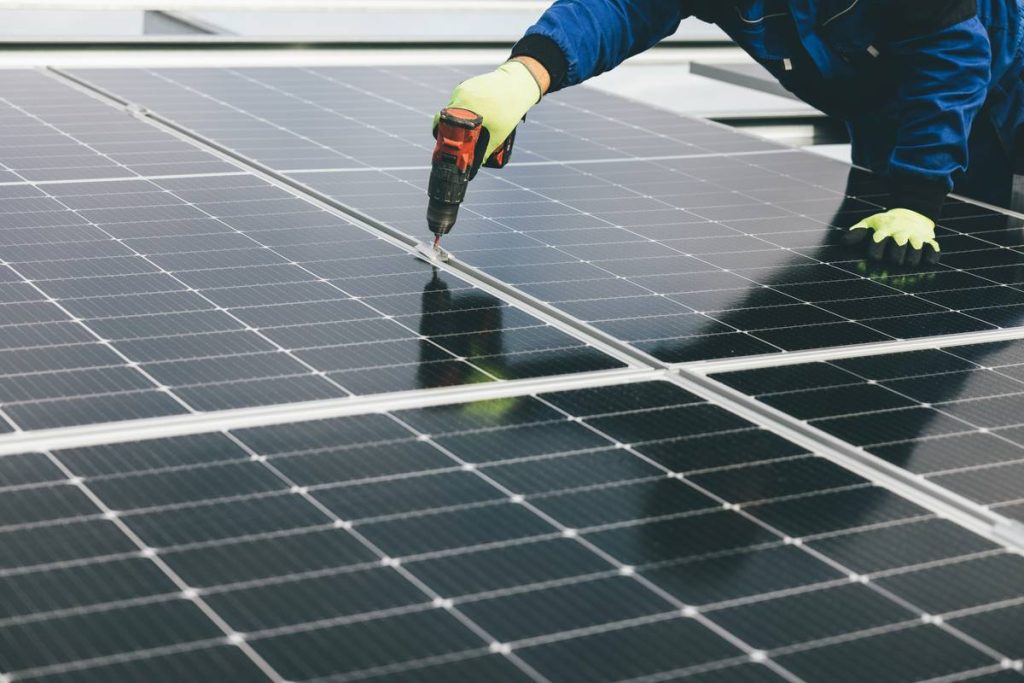
If your solar panels look like they’ve been through a dust storm, you’re not alone—and you’re likely losing money. Dirty panels can slash energy output by up to 25%, according to a National Renewable Energy Laboratory (NREL) study. But here’s the twist: how you clean them matters just as much as whether you do. In this guide, we’ll explore how are solar panels beneficial when properly maintained, especially with smart cleaning practices that protect both performance and longevity.
Table of Contents
- Why Maintenance Defines Solar ROI
- Your No-Risk Solar Panel Cleaning Routine
- 5 Best Practices for Spotless, Safe Panels
- Real Results: Clean Panels = More Power
- FAQs
Key Takeaways
- Regular cleaning boosts efficiency by up to 15–25%.
- Improper techniques (like pressure washing) can crack glass or void warranties.
- Soft brushes, deionized water, and early-morning timing yield the safest results.
- Understanding how are solar panels beneficial starts with preserving their surface integrity.
- Professional-grade solar panel cleaners outperform DIY hacks long-term.
Why Maintenance Defines Solar ROI
Homeowners often install solar panels and forget about them—until their electric bill doesn’t drop as expected. The culprit? Dust, pollen, bird droppings, and hard water stains that form an invisible barrier between sunlight and photovoltaic cells. This isn’t just cosmetic; it directly undermines one of the core reasons how are solar panels beneficial: consistent, clean energy generation.

I learned this the hard way. A few summers ago, I tried cleaning my own panels with a garden hose and a stiff-bristle brush—thinking “more scrubbing = cleaner.” Big mistake. I left micro-scratches that scattered light instead of absorbing it. My system underperformed for months until I replaced two damaged modules. Lesson? Aggressive cleaning negates the very benefits you’re trying to preserve.
Your No-Risk Solar Panel Cleaning Routine
Follow these steps to maximize output without risking damage:
Step 1: Choose the Right Time
Clean early morning or late evening when panels are cool. Hot surfaces cause water to evaporate too fast, leaving mineral streaks.
Step 2: Use Deionized or Distilled Water
Tap water contains minerals that leave deposits. Deionized water dries spot-free and requires less wiping.
Step 3: Opt for Soft Tools Only
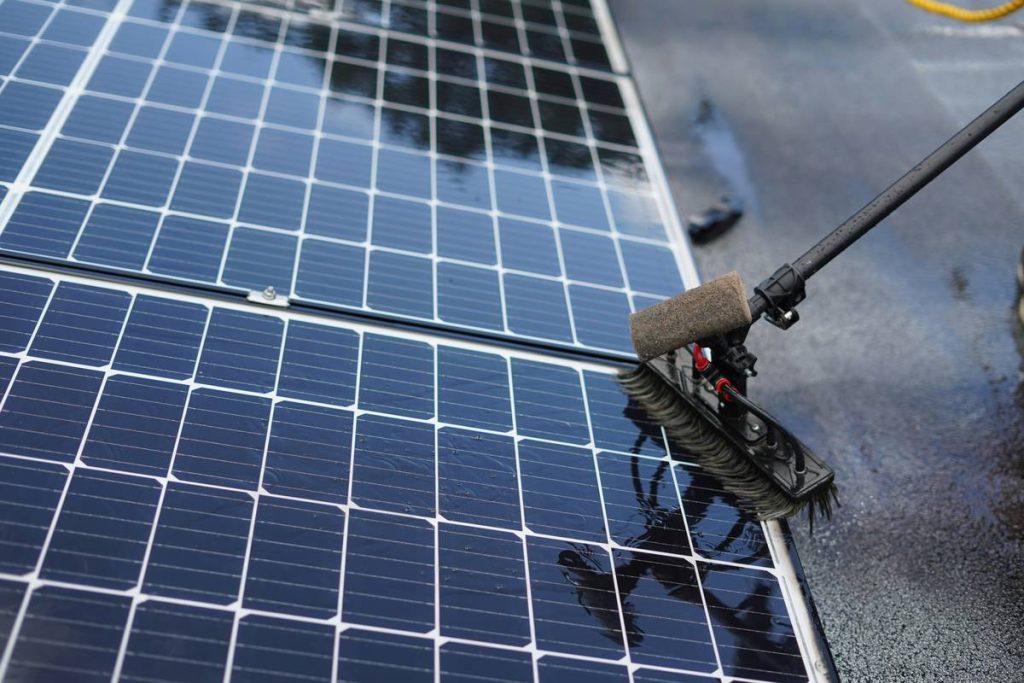
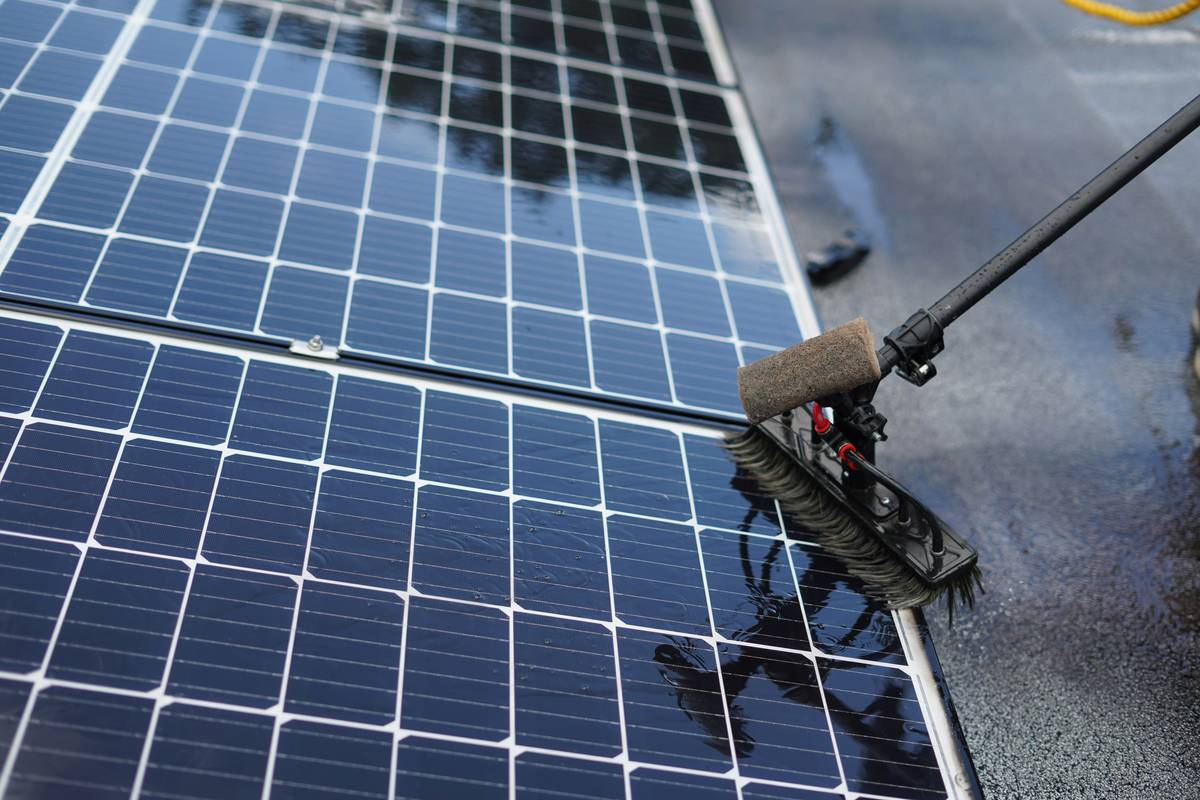
Use a squeegee with a microfiber edge or a non-abrasive solar brush on an extension pole. Never use steel wool, pressure washers, or harsh chemicals—they degrade anti-reflective coatings.
Step 4: Rinse Gently, Then Squeegee
Spray from top to bottom, then pull the squeegee in straight passes. Avoid circular motions that smear grime.
5 Best Practices for Spotless, Safe Panels
- Never walk on panels. Even lightweight pressure can crack tempered glass.
- Inspect seals annually. Moisture intrusion from damaged frames leads to internal corrosion.
- Skip the “vinegar hack.” Acidic solutions eat away at frame sealants and may void manufacturer warranties.
- Invest in a quality solar panel cleaner. Products like EcoClean Solutions’ PV Wash are pH-neutral and non-corrosive.
- Document your maintenance. Keep logs for warranty claims—many manufacturers require proof of care.
And here’s a terrible tip I’ve heard too often: “Just let the rain handle it.” While rain helps, it rarely removes sticky residues like sap or bird droppings—and it leaves behind dissolved minerals that bake into stubborn films.
Real Results: Clean Panels = More Power
A 2023 field study by the University of California, San Diego tracked two identical 5kW residential systems over six months—one cleaned monthly, the other untouched. The cleaned system produced 22% more energy on average. That translated to an extra $187 in annual savings based on local electricity rates.
Similarly, after Concept Solution BC helped a Surrey homeowner switch from DIY hosing to professional-grade cleaning, their quarterly output jumped from 3,100 kWh to 3,760 kWh—enough to power an extra refrigerator year-round. These aren’t theoretical gains; they’re measurable returns on a simple maintenance habit that reinforces how are solar panels beneficial in real-world use.
FAQs
Do solar panels need cleaning if it rains often?
Rain removes loose dust but not oils, pollen, or bird residue. In coastal or high-pollen areas, manual cleaning every 3–6 months is still recommended.
Can dirty panels void my warranty?
Not directly—but damage caused by improper cleaning (e.g., scratches from abrasive tools) often isn’t covered. Always follow manufacturer guidelines found on sites like energy.gov.
How do I know if my panels are too dirty?
Compare your current output to historical data in your monitoring app. A 10%+ unexplained dip on sunny days signals cleaning is needed.
Are robotic cleaners worth it?
For steep or multi-story roofs, yes—they reduce fall risk and ensure consistent cleaning. Just verify compatibility with your panel model first.
What’s the link between cleaning and long-term savings?
Clean panels maintain peak efficiency, delaying the need for costly upgrades. Over 25 years, that can mean thousands in preserved savings—making how are solar panels beneficial a question answered daily, not just at installation.
Ready to stop guessing and start generating? Contact us for a tailored maintenance plan. Learn more about our values in our About Us page, and rest easy knowing your data is protected per our Privacy Policy.
Because clean panels don’t just shine—they pay you back, every sunrise.