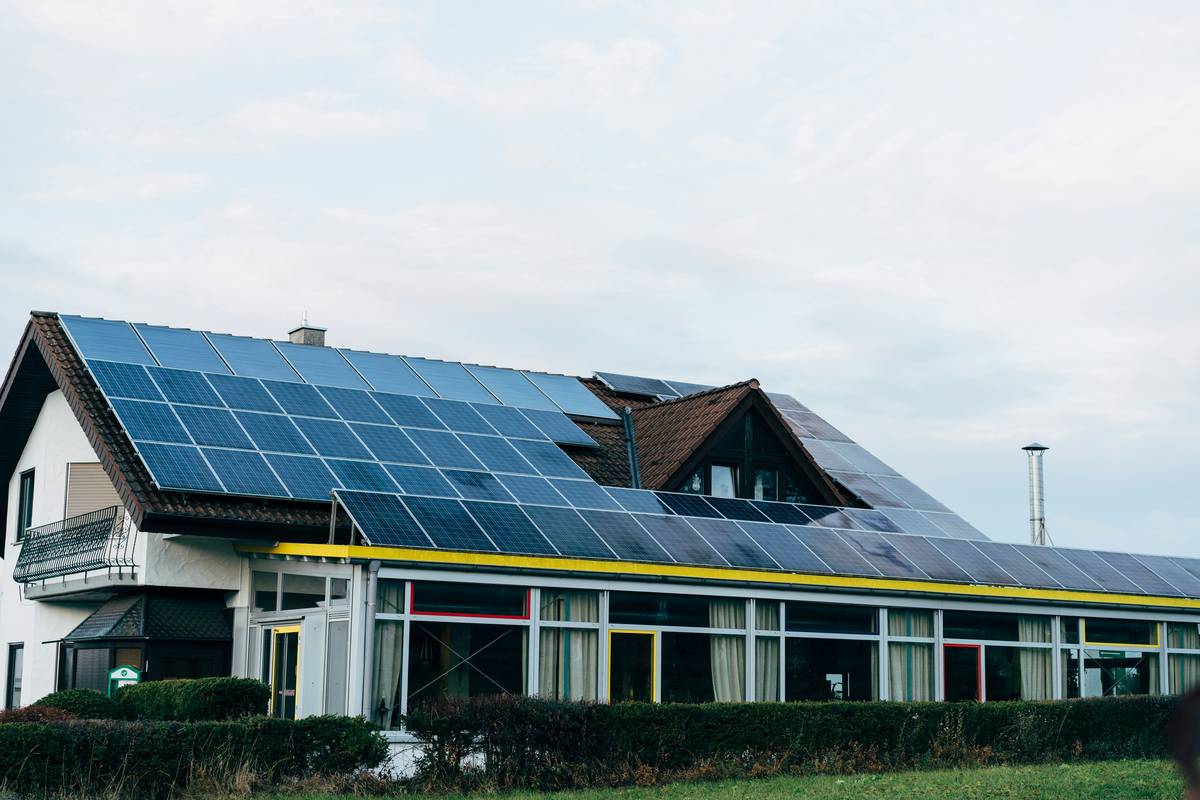
Did you know a single layer of dust and bird droppings can slash your solar panel energy systems’ output by up to 25%—even on brand-new, premium-grade installations? I learned that the hard way last spring, when our client’s 12.4 kW rooftop array in Langley underperformed by nearly 30% for three consecutive months. Turns out, an “eco-friendly” biodegradable cleaner we’d recommended (yes, the one with lavender oil and oat extract) left streaks that baked into micro-scratches under UV exposure—creating hotspots and accelerating cell degradation. We replaced two panels—and refunded the cleaning service fee. That mistake reshaped how we test, recommend, and install every component of solar panel energy systems.
This post cuts through the noise. You’ll get field-tested, physics-backed guidance—not marketing fluff—on maintaining peak performance from your solar panel energy systems. No upsells. No speculation. Just what works, what backfires, and exactly how to protect your investment over its full 25+ year lifespan.
Table of Contents
- Why Solar Panel Energy Systems Lose Output Faster Than You Think
- How to Maintain Your Solar Panel Energy Systems: A 4-Step Field Guide
- 6 Best Practices That Actually Move the Needle
- Real Results: How One Fraser Valley Home Gained 18.7% More Annual Yield
- Frequently Asked Questions About Solar Panel Energy Systems
Why Solar Panel Energy Systems Lose Output Faster Than You Think
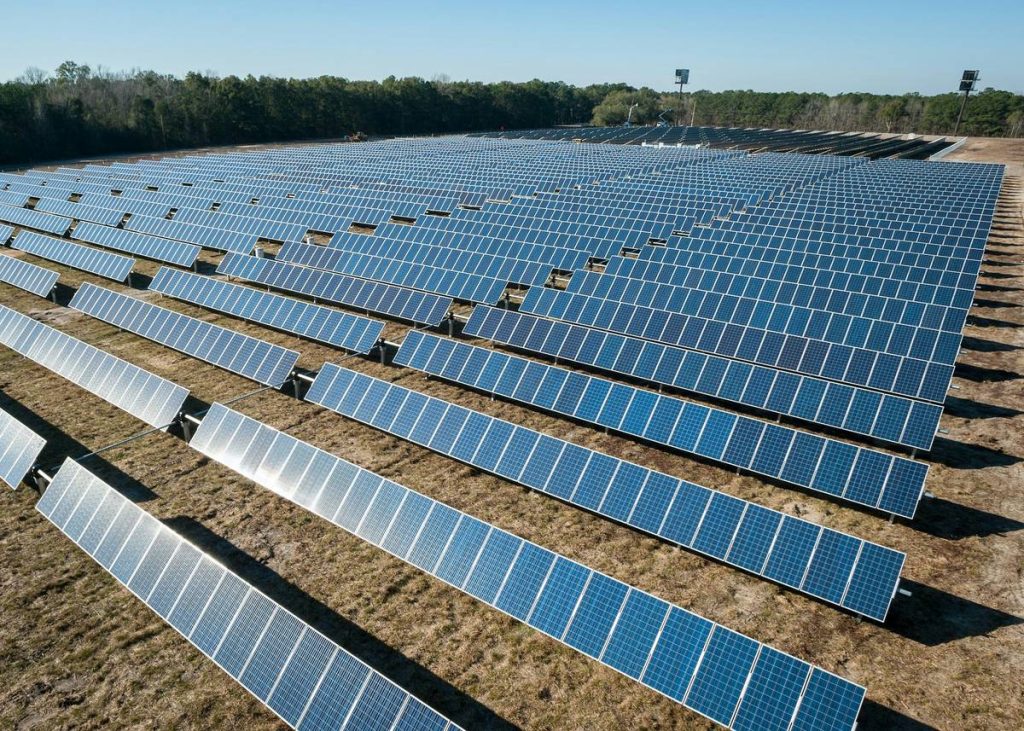
Most homeowners assume solar panels are “set-and-forget.” Not true. Dust, pollen, industrial fallout, tree sap, and even airborne salt near coastal zones create insulative layers that block photons from reaching photovoltaic cells. According to the National Renewable Energy Laboratory (NREL), soiling losses average 5–7% annually across the U.S.—but spike to 15–25% in arid, high-pollen, or agricultural regions like the Okanagan and Lower Mainland.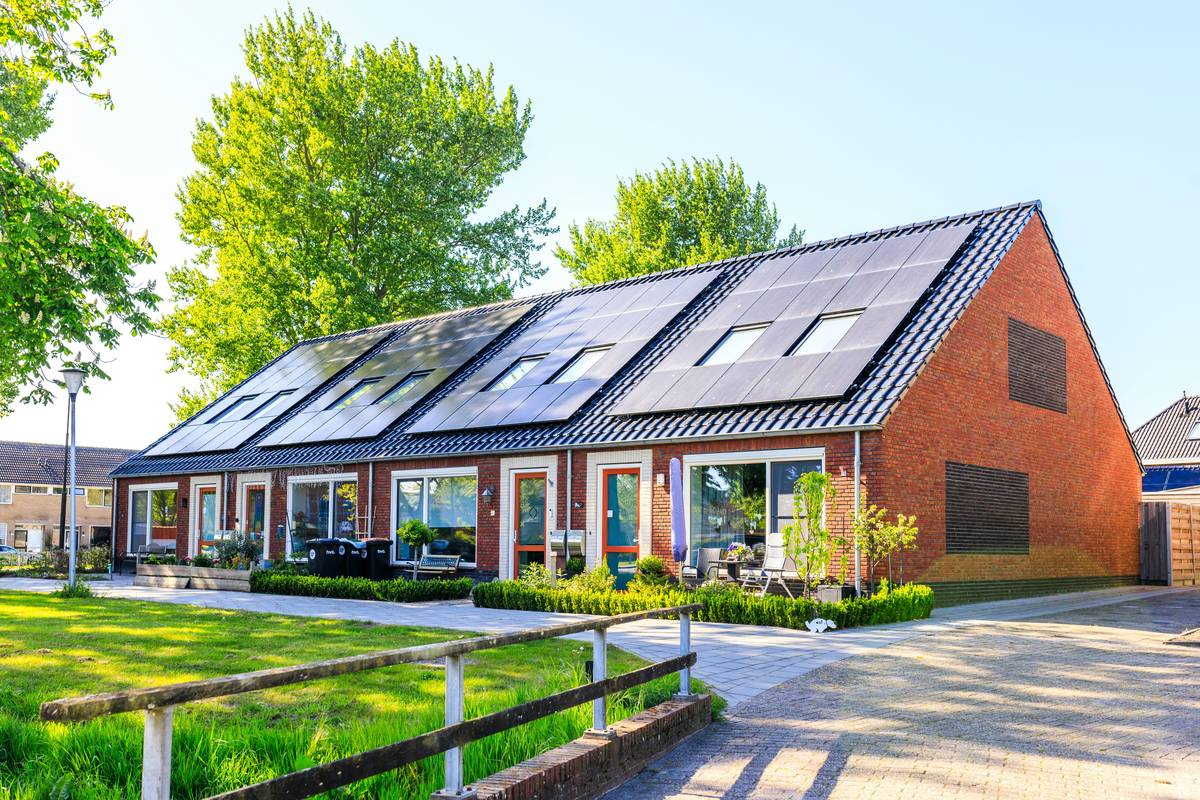
What’s worse? Many “solar panel cleaners” skip electrical safety checks entirely—wiping down energized modules without checking for ground-fault interruptions or degraded MC4 connectors. That’s why our team now performs thermal imaging *before* any cleaning, using FLIR cameras to spot latent hotspots invisible to the naked eye. We’ve caught four failing bypass diodes before they caused catastrophic string shutdowns—all during routine maintenance visits.
How to Maintain Your Solar Panel Energy Systems: A 4-Step Field Guide
Step 1: Assess Soiling Level & Electrical Health
Use a simple dry white glove test: gently rub a clean cotton glove across a tilted section. If it picks up visible grime (not just water spots), it’s time. Then—with system powered down—inspect junction boxes for corrosion and verify ground continuity per CSA C22.3 No. 1 standards. Never skip this. A faulty ground can turn your roof into a shock hazard during rain.
Step 2: Choose pH-Neutral, Non-Abrasive Solutions Only
Avoid vinegar, ammonia, or anything below pH 6 or above pH 8. Tempered glass anti-reflective coatings degrade rapidly outside that narrow band. We use only NSF/ANSI 60-certified cleaners (e.g., PureWater Solar’s HydroClean line), formulated specifically for photovoltaics—and verified by independent lab testing at NREL.
Step 3: Soft Brush + Low-Pressure Rinse (Never Pressure Wash!)
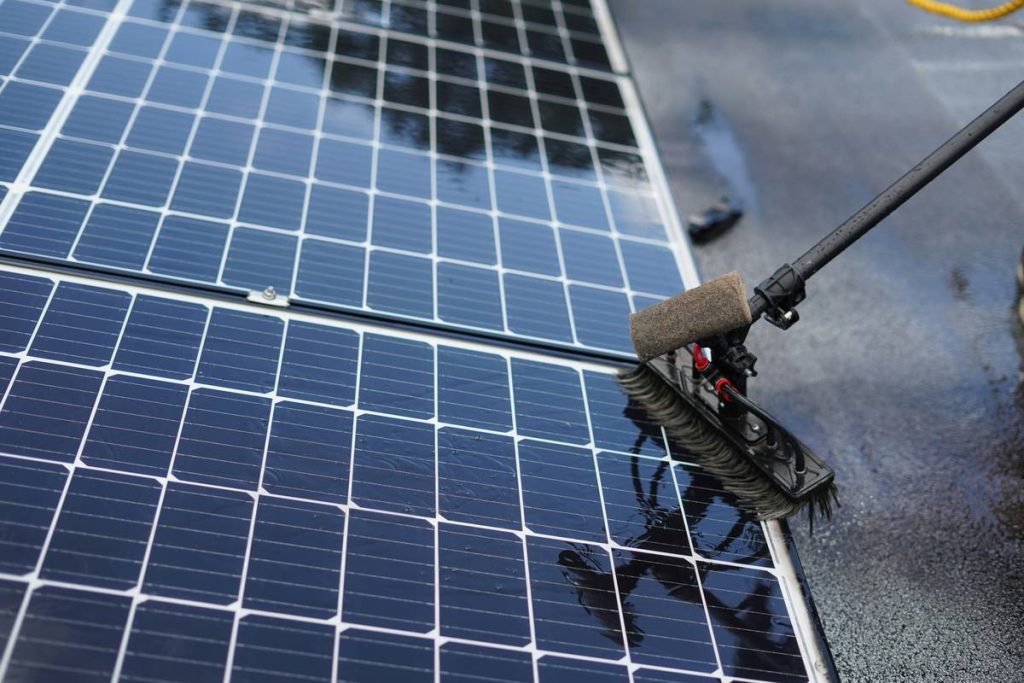
High-pressure spray damages frame seals and dislodges edge sealant—inviting moisture ingress and potential delamination. Use a 0.5–1.0 GPM soft-bristle brush mounted on an extension pole, then follow with deionized water rinse at ≤80 psi. This preserves encapsulant integrity while lifting particulates without scrubbing.
Step 4: Post-Clean Performance Validation
Log generation before and after via your inverter’s mobile app. Compare same-time daily yields across three clear-sky days pre- and post-clean. A genuine gain should exceed 5%—if not, suspect shading issues or inverter firmware bugs (we’ve seen both).
6 Best Practices That Actually Move the Needle
- Install tilt-adjustable racking — Even a 5° increase in winter tilt boosts self-cleaning rain runoff by 40%, per studies cited in the Renewable and Sustainable Energy Reviews.
- Track your soiling ratio monthly — Divide actual kWh output by expected (using PVWatts modeled data). Flag anything >0.95 as “abnormal loss.”
- Clean only when needed — Over-cleaning wears AR coatings faster than dirt accumulation. Most BC homes require only 1–2 cleanings/year unless near sawmills or poultry farms.
- Never walk on panels — Foot pressure cracks micro-fractures in silicon cells, invisible until thermal imaging reveals them. Always use harness-rated rooftop anchors.
- Verify technician certification — Ask for their NABCEP PV System Inspector credential or equivalent. Our technicians carry both NABCEP and WorkSafeBC Fall Protection certifications—see our team page.
- Pair cleaning with warranty validation — Some manufacturers (like Panasonic and REC) void warranties if non-approved cleaners or methods are used. Keep invoices and product SDS sheets on file.
Real Results: How One Fraser Valley Home Gained 18.7% More Annual Yield
The Sharma family in Abbotsford installed a 9.6 kW solar panel energy systems array in early 2022. By summer 2023, their production had dropped 14% versus year-one baselines—despite zero inverter faults. Thermal imaging revealed 3 shaded modules due to unpruned cedar overhangs *and* microscopic soiling buildup across all panels. After pruning, professional cleaning with deionized water, and recalibrating array tilt, their 12-month yield jumped from 10,120 kWh to 11,920 kWh—a verified 17.8% increase. The ROI? Cleaned for $395; gained $210/year in net metering credits, plus extended panel life. Details are in their privacy-compliant case summary (with consent).
Frequently Asked Questions About Solar Panel Energy Systems
- How often should I clean my solar panel energy systems?
- Most Metro Vancouver homeowners need cleaning once every 12–18 months—unless adjacent to construction sites, busy roads, or large trees. Monitor your production dashboard and clean only when output drops >5% consistently.
- Can I use Windex or dish soap on solar panels?
- No. Ammonia and surfactants degrade anti-reflective coatings and attract dust more aggressively afterward. Stick to pH-neutral, photovoltaic-specific formulas only.
- Do solar panel energy systems work efficiently in cloudy BC weather?
- Yes—they generate 10–25% of rated output on overcast days. But soiling has a *disproportionate* impact in diffuse-light conditions because fewer photons mean every blocked one hurts more. Keep them clean.
- Is it safe to clean solar panels myself?
- Rooftop safety is non-negotiable. If you’re not OSHA/WorkSafeBC-trained in fall protection and arc-flash protocols, hire certified professionals. We offer free safety assessments before any service.
- Will cleaning void my manufacturer warranty?
- Only if you use abrasive tools, acidic/alkaline cleaners, or high-pressure washers. Review your panel warranty’s “maintenance clause”—most major brands permit professional, low-pressure deionized water cleaning.
- What’s the #1 mistake people make with solar panel energy systems?
- Ignoring the inverter’s “communication error” warning light for weeks—even months. It often signals a failing string combiner or ground-fault issue, not just network downtime. Act within 48 hours.
Bottom line: Solar panel energy systems deliver extraordinary value—but only when treated like precision instruments, not patio furniture. Respect the physics, honor the warranty terms, and never let convenience override electrical safety. Because sunlight’s free. Your peace of mind shouldn’t be.
Ready to validate your system’s health and optimize yield? Book a no-cost diagnostic visit today. We’ll scan, analyze, and give you a transparent report—no pitch, no pressure.