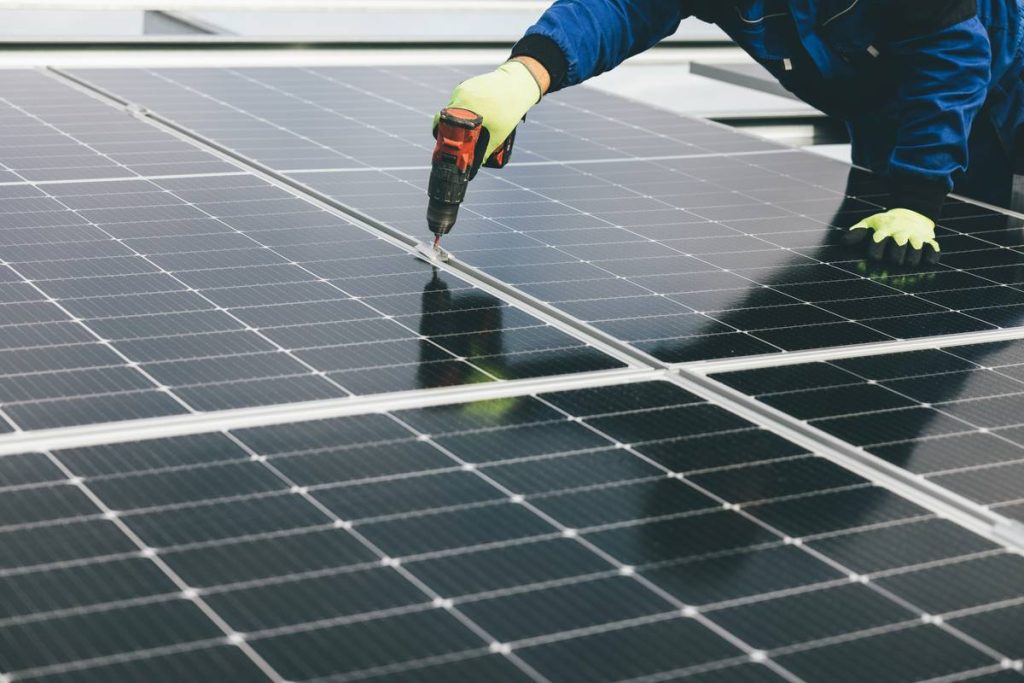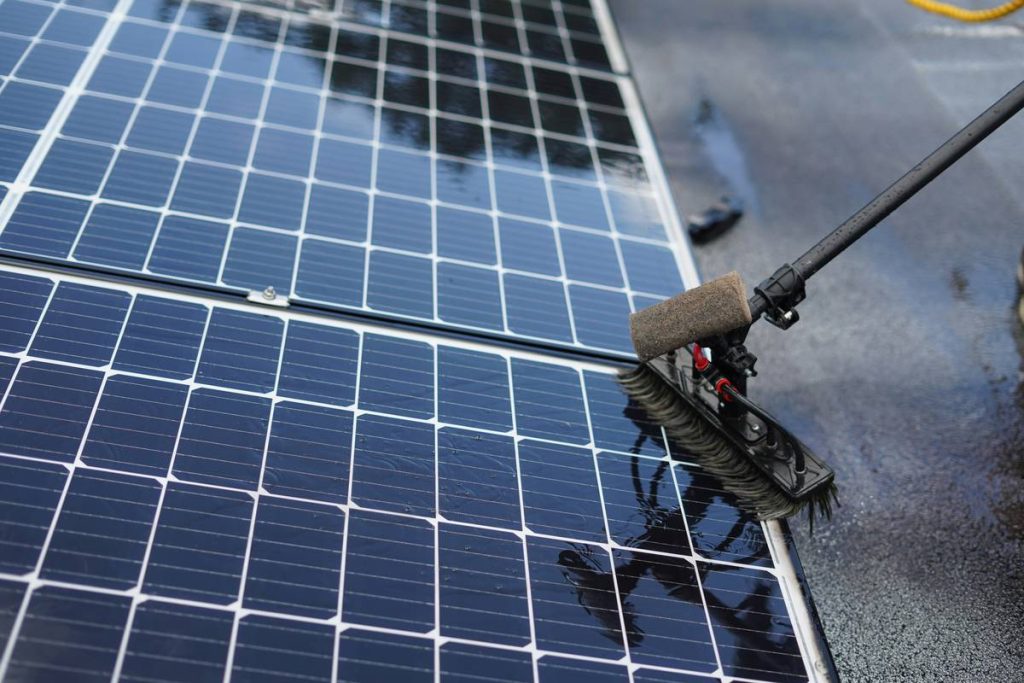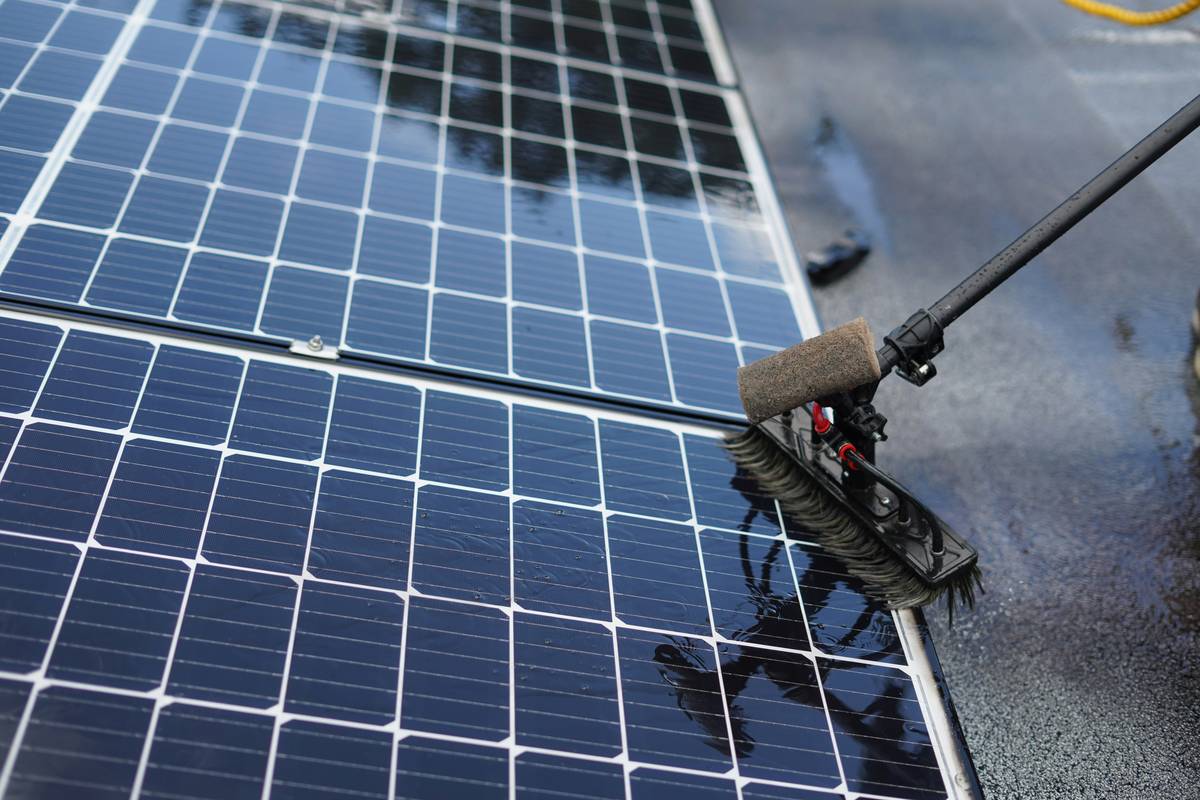
If your solar panels are coated in dust, pollen, or bird droppings, you’re losing energy—potentially up to 25% efficiency, according to a National Renewable Energy Laboratory (NREL) study. Yet most homeowners treat panel cleaning like an afterthought, tossing water from a garden hose and calling it a day. I made that mistake myself last summer. After skipping proper maintenance for months, my energy bill spiked despite peak sunlight—and my inverter kept throwing low-voltage warnings. That’s when I realized: knowing the right maintenance supply panel what energy is isn’t just jargon—it’s the difference between passive solar savings and painful performance gaps.
Table of Contents
- Why Solar Panel Cleanliness Directly Impacts Home Energy Output
- Step-by-Step Guide to Safe, Effective Panel Cleaning
- 5 Best Practices Most DIYers Ignore
- Real Results: How Proper Maintenance Boosted Output by 19%
- Frequently Asked Questions
Key Takeaways
- Dirt buildup can slash solar efficiency by up to 25% (NREL).
- Using abrasive tools or harsh chemicals voids panel warranties.
- The right maintenance supply panel what energy is includes soft brushes, deionized water, and non-abrasive cloths.
- Cleaning every 3–6 months maximizes ROI—more often in dusty or high-pollen areas.
- Professional-grade kits outperform household alternatives long-term.
Why Solar Panel Cleanliness Directly Impacts Home Energy Output
Solar panels convert photons into electricity—but dirt, grime, and mineral deposits act like sunglasses on your eyes: they filter incoming light before it even reaches the photovoltaic cells. In dry climates like parts of British Columbia, fine dust accumulates rapidly, especially during wildfire season. A single layer of ash or pollen may seem negligible, but over time, it compounds into significant energy loss.
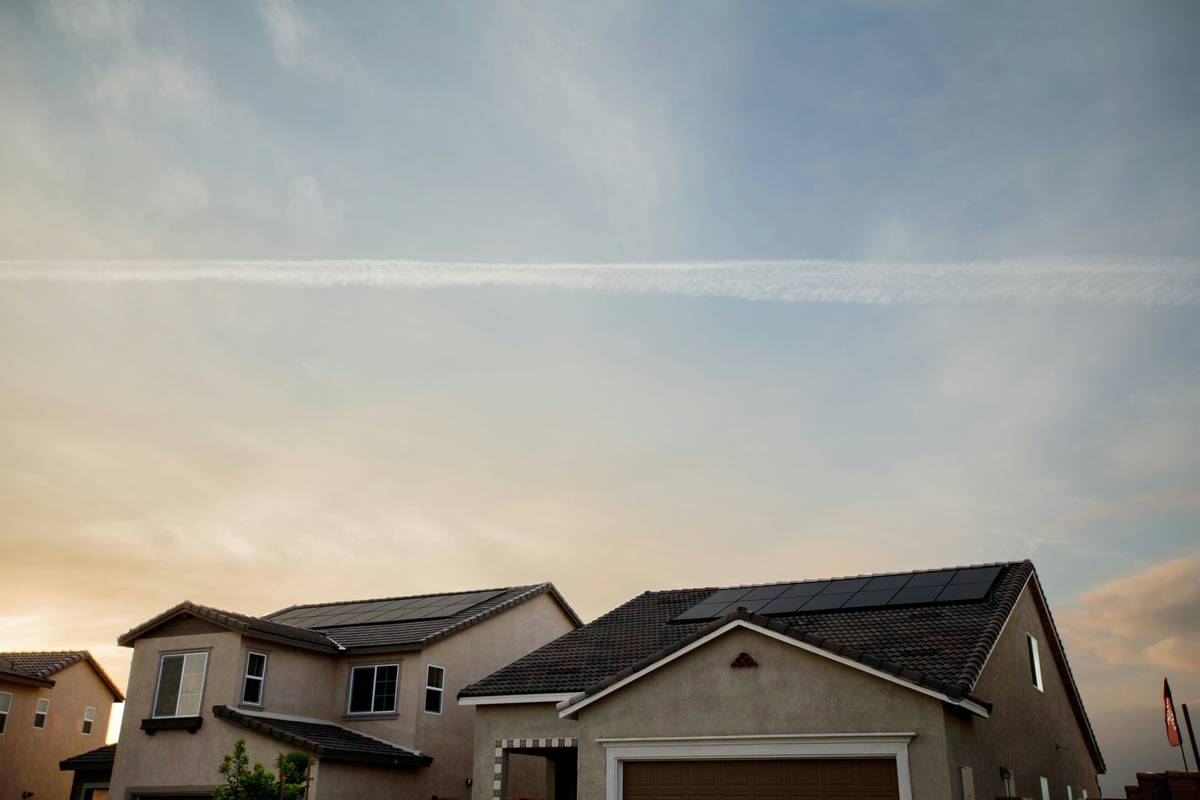
This isn’t theoretical. Field tests from the U.S. Department of Energy confirm that uncleaned panels underperform cleaned ones by 15–25% annually. And here’s the kicker: many “eco-friendly” household cleaners contain ammonia or alcohol that degrade anti-reflective coatings. That’s why understanding exactly what maintenance supply panel what