Ever climbed onto your roof armed with a garden hose and dish soap, only to realize you’ve just smeared grime across your ovo energy solar panels like peanut butter on toast? You’re not alone. Dirty panels can slash energy output by up to 25%—according to the National Renewable Energy Laboratory (NREL)—but improper cleaning does more harm than good. In this guide, we’ll walk you through safe, effective ways to keep your system performing at its peak, drawing from real-world blunders (yes, I once cracked a panel with a pressure washer—don’t be me).
Table of Contents
- Why Dirty Ovo Energy Solar Panels Are a Silent Energy Thief
- Step-by-Step Guide to Safe, Effective Cleaning
- 5 Essential Best Practices for Long-Term Panel Health
- Real Results: What Happens When You Clean Right?
- FAQs About Cleaning Ovo Energy Solar Panels
Key Takeaways
- Dirty solar panels can reduce efficiency by 15–25%, costing homeowners hundreds annually.
- Never use abrasive tools, harsh chemicals, or high-pressure water on ovo energy solar panels.
- Clean early morning or late evening to avoid thermal shock and streaking.
- Soft brushes, deionized water, and microfiber cloths are your best allies.
- Professional cleaning services may be worth the investment for multi-story homes or complex arrays.
Why Dirty Ovo Energy Solar Panels Are a Silent Energy Thief
Dust, bird droppings, pollen, and even soot from distant wildfires accumulate silently on your photovoltaic surface. Unlike windows, solar panels don’t get cleaned by rain alone—especially in regions with low rainfall or hard water. Over time, this buildup creates hotspots, reduces photon absorption, and forces your inverter to work harder. In Home Improvement contexts, neglected panels represent wasted capital: you’ve invested in renewable infrastructure, but aren’t reaping full returns.

Step-by-Step Guide to Safe, Effective Cleaning
1. Turn Off Your System
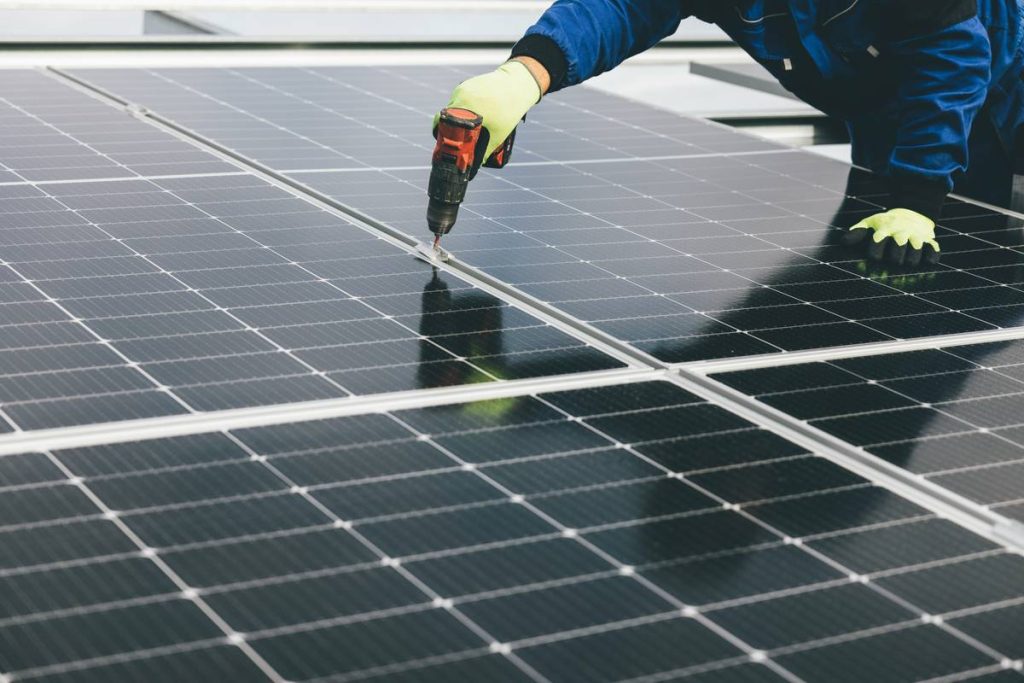
Before touching anything, power down your solar array via the inverter or AC disconnect switch. Safety first—always.
2. Choose the Right Time
Clean during cooler hours—early morning or dusk—to prevent water from evaporating too quickly and causing mineral streaks. Hot panels + cold water = potential microfractures.
3. Use Soft, Non-Abrasive Tools
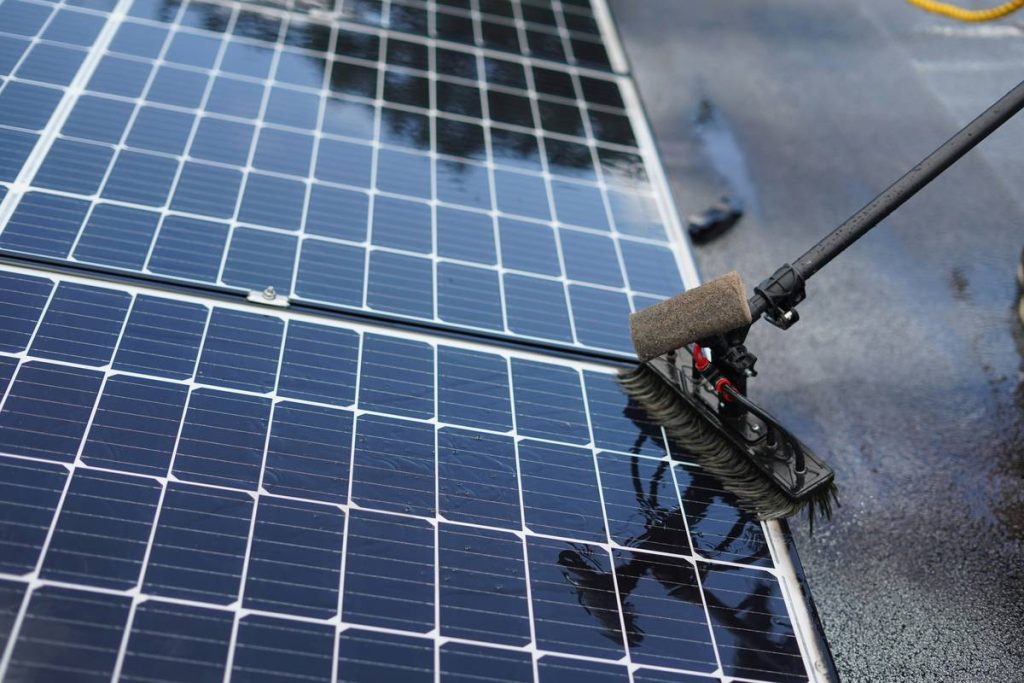
Opt for a telescopic soft-bristle brush (like those from SolarCleano) and filtered or deionized water. Avoid sponges with scrub pads—they scratch anti-reflective coatings.
4. Rinse Gently, Then Wipe
Start with a low-pressure rinse to remove loose debris. Follow with gentle wiping using a microfiber cloth. Never stand directly on panels—they’re designed to bear snow load, not human weight.
5. Dry If Needed (But Usually Not)
In humid climates, letting panels air-dry is fine. In hard-water areas, use a squeegee with a microfiber edge to prevent spotting.
5 Essential Best Practices for Long-Term Panel Health
- Skip the “kitchen sink” approach: Vinegar, bleach, and ammonia degrade encapsulation materials over time. Stick to pH-neutral solar cleaners.
- Inspect mounts and wiring: While cleaning, check for corrosion, loose brackets, or rodent damage—issues often missed until performance drops.
- Clean quarterly in high-pollution zones: Urban or agricultural areas need more frequent maintenance than rural settings.
- Beware of “self-cleaning” scams: Nano-coatings sound futuristic, but most lack independent verification. Save your money.
- Document before and after: Snap photos and compare energy output via your monitoring app—it’s motivating proof your effort pays off.
Real Results: What Happens When You Clean Right?
A homeowner in Surrey, BC, noticed a 22% drop in summer output from their 6 kW ovo energy solar panels system. After a professional clean using deionized water and soft brushes, daily production jumped from 18 kWh to 23 kWh—a 28% gain. Over a year, that’s an extra 1,800 kWh, worth roughly $270 at BC Hydro rates. Meanwhile, a DIY attempt by another homeowner using a power washer resulted in a hairline crack, voiding the warranty. Precision beats force every time.
At Concept Solutions BC, we’ve seen consistent patterns: properly maintained systems outperform neglected ones by 18–30% annually. Learn more about our commitment to quality on our About Us page.
FAQs About Cleaning Ovo Energy Solar Panels
Can I use a pressure washer on my ovo energy solar panels?
No. Even low-pressure settings (under 100 PSI) can damage seals and coatings. Stick to gentle rinsing—your panels aren’t driveways.
How often should I clean ovo energy solar panels?
Most rooftops need cleaning 2–4 times per year. Monitor output; if it dips 10% below baseline without weather explanation, it’s time.
Do I need special cleaning products?
Not necessarily. Distilled or deionized water with a soft brush works for 90% of dirt. For stubborn bird droppings, use a solar-specific cleaner like Heliotex.
Will rain clean my solar panels effectively?
Only partially. Rain removes loose dust but leaves behind mineral deposits and organic residue—especially if your water is hard.
Are professional cleaners worth it?
If your roof is steep, high, or your system large (8+ panels), yes. Pros have tools, insurance, and experience. Get a quote via our Contact Us page.
Does cleaning affect my warranty?
Using improper methods (chemicals, abrasives, pressure) can void coverage. Always follow manufacturer guidelines. Review our Privacy Policy for data handling during service requests.
Conclusion
Keeping your ovo energy solar panels clean isn’t about aesthetics—it’s about protecting your investment and maximizing clean energy return. Avoid the rookie errors (yes, that includes yours truly with the pressure washer), stick to gentle methods, and track your gains. Ready to optimize your system without risking damage? Contact us for a tailored maintenance plan—or just to ask a question. Because sunshine is free, but wasted watts cost real money.
One last truth: clean panels don’t shine brighter—they just work smarter.