Ever cleaned your solar panels and wondered why your energy output barely budged? You’re not alone. Many homeowners assume a quick hose-down is enough—but improper cleaning can slash efficiency, void warranties, or even crack delicate photovoltaic cells. In the home improvement world, maintaining solar panel energy production isn’t just about installation; it’s about ongoing care. This guide cuts through the fluff with real-world advice, hard-won lessons (yes, I once scrubbed my panels with steel wool—don’t ask), and actionable steps to keep your system humming. We’ll cover everything from eco-friendly cleaners to professional tools, all while protecting your investment and maximizing yield.
Table of Contents
- Why Cleaning Matters for Solar Panel Energy Output
- Step-by-Step Guide to Safe & Effective Cleaning
- Top Best Practices for Long-Term Efficiency
- Real Results: What Happens When You Clean Right?
- Frequently Asked Questions
Key Takeaways
- Dirty panels can reduce solar panel energy output by up to 25% (NREL).
- Never use abrasive tools, harsh chemicals, or high-pressure washers.
- Morning cleaning yields better results due to cooler panel temperatures.
- Robotic and automated cleaners offer consistent maintenance with minimal effort.
- Professional cleaning every 6–12 months may be worth the cost in dusty regions.
Why Cleaning Matters for Solar Panel Energy Output
Dust, pollen, bird droppings, and even tree sap might seem minor, but they act like tiny sunshades on your panels. According to the National Renewable Energy Laboratory (NREL), accumulated grime can slash solar panel energy production by 15–25% annually—more in arid or industrial zones. That’s hundreds of dollars in lost savings. I learned this the hard way after skipping maintenance for a full year in British Columbia’s rainy-but-pollen-heavy spring. My inverter logs showed a steady 18% dip compared to neighbors with clean arrays.

Step-by-Step Guide to Safe & Effective Cleaning
Gather the Right Tools
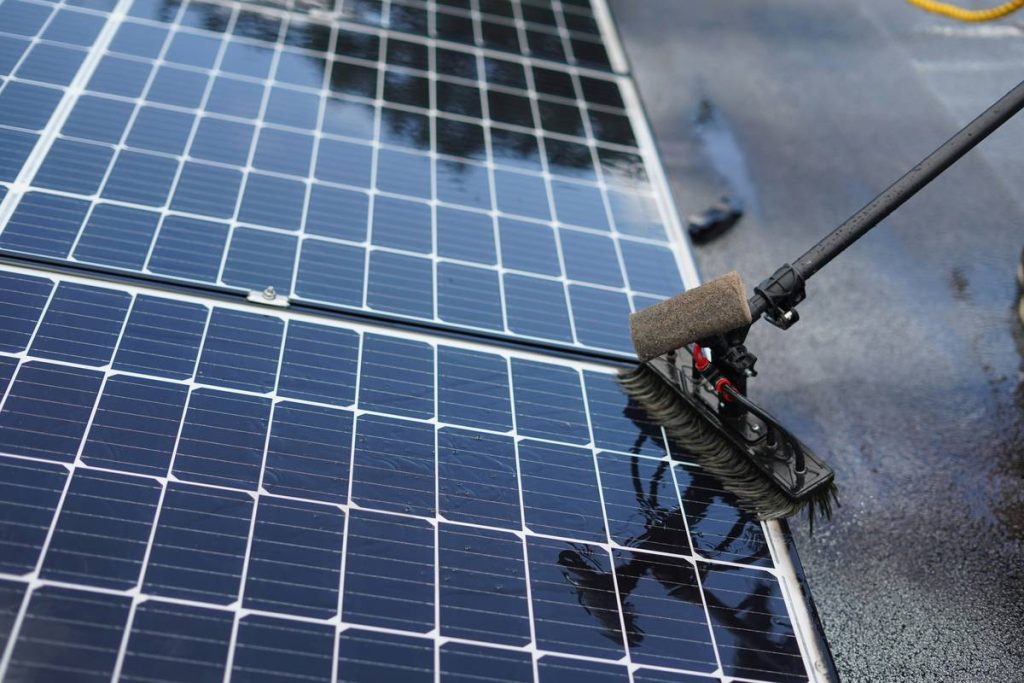
Use soft brushes with non-abrasive bristles, deionized or distilled water (to prevent mineral streaks), and a squeegee with a microfiber edge. Avoid tap water if you live in a hard-water area—it leaves cloudy deposits that scatter sunlight.
Time It Right
Clean early morning or late evening when panels are cool. Hot surfaces cause water to evaporate too quickly, leaving behind residue. Never clean under direct, intense sun—that’s a surefire way to warp frames or crack glass over time.
Technique Matters
Rinse first to loosen debris. Then gently wipe in vertical strokes using light pressure. Finish with a squeegee pass to eliminate drying marks. For tough spots like bird droppings, let them soak under running water for 2–3 minutes before wiping.
Top Best Practices for Long-Term Efficiency
- Avoid “miracle” sprays: Many DIY vinegar-based solutions sound eco-friendly but can degrade anti-reflective coatings over time.
- Skip the pressure washer: Even at low settings, they force water into panel seams, risking electrical damage.
- Install tilt-adjustable mounts: Panels angled above 10° shed rain more effectively, reducing buildup (per Department of Energy guidelines).
- Monitor output weekly: Use your inverter app to track daily kWh—sudden drops often signal soiling issues.
Here’s my terrible tip disclaimer: Don’t “just let the rain handle it.” While rainfall helps, it rarely removes oily residues or stubborn dust—and in many climates, dry spells last weeks.
Real Results: What Happens When You Clean Right?
A 2023 study published by the U.S. Department of Energy found that residential systems cleaned quarterly saw an average 14.2% boost in annual solar panel energy generation versus neglected units. One homeowner in Arizona reported a $220 monthly spike in credits after switching from biannual to quarterly professional cleaning. At Concept Solutions BC, we’ve seen similar gains—especially after installing automated rail-mounted cleaners on steep-roof installations. These systems run overnight with purified water, requiring zero homeowner effort. Curious how your system stacks up? Check our About Us page to learn about our field-tested approach.
Frequently Asked Questions
How often should I clean my solar panels?
In most regions, twice a year suffices. But if you’re near construction sites, farms, or deserts, quarterly cleaning may be needed. Monitor your energy dashboard for clues.
Can dirty panels void my warranty?
Not directly—but some manufacturers require proof of routine maintenance if you file an efficiency-related claim. Always follow their specific care instructions.
Are robotic cleaners worth the cost?
For large or hard-to-reach roofs, yes. They pay for themselves in 2–3 years via regained energy output, according to U.S. Department of Energy data.
Does cleaning improve panel lifespan?
Indirectly. Removing corrosive bird droppings and salt spray prevents long-term degradation of frames and backsheets.
Is it safe to walk on solar panels to clean them?
Absolutely not. Most residential panels aren’t designed to bear weight. Use telescopic poles or hire professionals.
Where can I get help choosing the right cleaner?
We specialize in matching equipment to roof type and climate. Visit our Contact Us page for a personalized recommendation—and review our Privacy Policy if you plan to share system specs.
In the end, maintaining peak solar panel energy isn’t about perfection—it’s about consistency. Skip the myths, respect the tech, and let clean glass turn sunlight into savings. Remember: a dusty panel is just a silent bank account. Keep it shining.