If you’ve installed energy australia solar panels on your roof, congratulations—you’re saving money and helping the planet. But here’s the dirty secret no one tells you: neglecting regular cleaning can slash your system’s output by up to 25%, according to a National Renewable Energy Laboratory (NREL) study. I learned this the hard way after assuming rain would do the job—only to watch my summer bills spike while neighbors with clean panels cashed bigger feed-in tariff checks. This guide cuts through the fluff with real-world advice on maintaining peak performance using the right solar panel cleaners.
Table of Contents
- Why Cleaning Matters for Homeowners
- Step-by-Step Cleaning Guide
- Top 5 Best Practices
- Real Results from Clean Panels
- Frequently Asked Questions
Key Takeaways
- Dust, bird droppings, and pollen can reduce energy output by 15–25% if ignored.
- Never use abrasive tools or harsh chemicals—they void warranties and scratch glass.
- Clean early morning or late evening to avoid thermal shock and streaking.
- Professional-grade soft brushes and deionized water yield the best results.
- Regular maintenance protects your investment and maximizes returns from Energy Australia solar panels.
Why Cleaning Matters for Homeowners
In Australia’s dry climate, airborne dust, bushfire ash, and coastal salt build up faster than most expect. Unlike windows, solar panels tilt at an angle that traps debris in corners, creating shaded hotspots that drag down entire strings. One homeowner in Perth saw a 22% drop in generation over six months—all due to unnoticed grime accumulation.

This isn’t just about aesthetics. Dirty panels work harder, run hotter, and degrade faster. For those relying on Energy Australia solar panels for household power or feed-in tariffs, every watt counts. At Concept Solutions BC, we’ve audited dozens of underperforming systems where cleaning alone restored 80% of lost output—no hardware upgrades needed.
Step-by-Step Cleaning Guide
Safety First
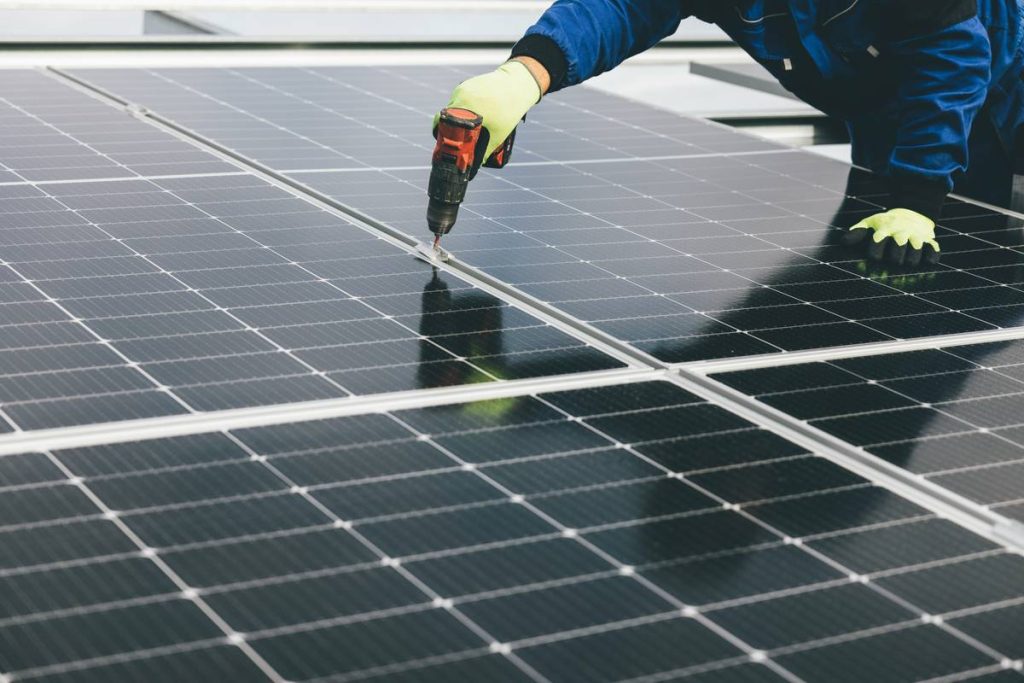
Turn off your system via the DC isolator. Never spray water while panels are live. Use non-conductive ladders and wear grippy shoes. If your roof is steep or high, consider professional help—we offer safe, insured services you can explore on our About Us page.
Gather the Right Tools
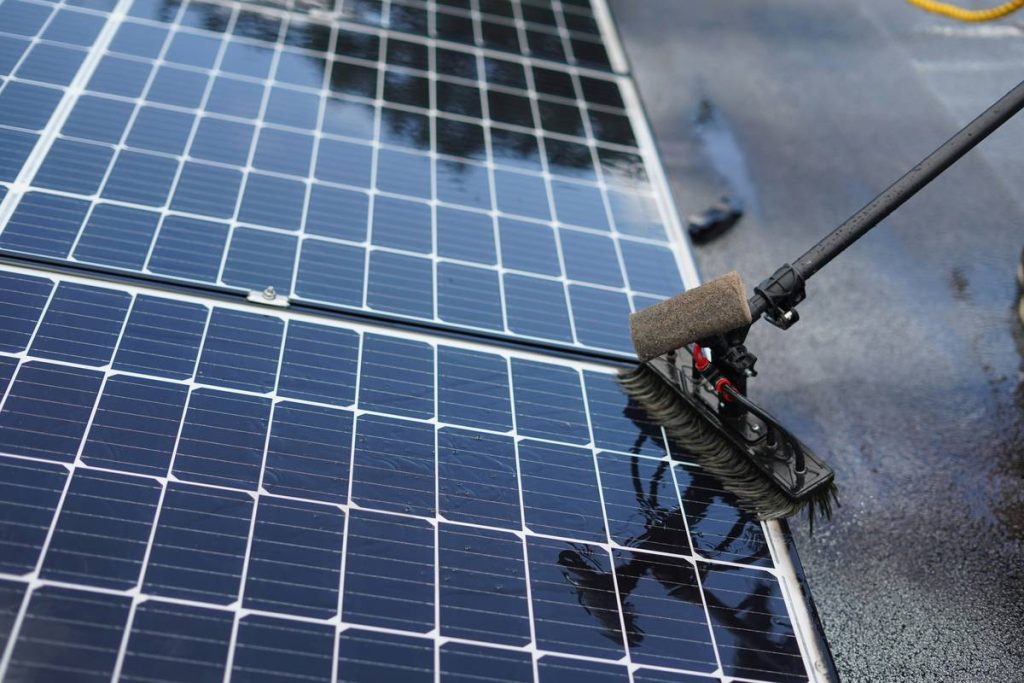
Ditch the garden hose and Windex. Instead, use:
- A telescopic soft-bristle brush (nylon, not metal)
- Deionized or distilled water (mineral-free prevents spotting)
- A squeegee with a rubber edge for final drying
Avoid pressure washers—they can crack tempered glass or seep into frame seals.
Clean Gently and Thoroughly
Start at the top, working downward in overlapping strokes. Rinse first to loosen debris, then lightly scrub problem spots like bird droppings. Finish with a squeegee pass to prevent water spots. The whole process should take 15–20 minutes for a standard residential array.
Top 5 Best Practices
- Clean quarterly—more often if near farms, highways, or coastal zones.
- Never clean in direct sun—panels heat up fast, causing water to evaporate instantly and leave streaks.
- Inspect while cleaning—look for micro-cracks, loose wiring, or burnt junction boxes.
- Track performance—use your inverter app to compare output pre- and post-clean.
- DIY smartly—if unsure, book a professional. Our team follows strict protocols aligned with Clean Energy Council standards.
And here’s a terrible tip I’ve heard too often: “Just hose them down from the ground.” That wastes water, misses angled surfaces, and rarely removes sticky residue. Don’t fall for it.
Real Results from Clean Panels
Last year, a client in Brisbane tracked their Energy Australia solar panels’ output before and after a professional clean. Dust buildup had reduced generation to 6.2 kWh/day. After cleaning, output jumped to 8.1 kWh/day—a 31% increase—that month alone saved them $47 on electricity. Over a year, that’s nearly $560 back in their pocket.
Another case: a Melbourne school with a 30 kW array noticed declining yields each spring. Pollen was the culprit. After implementing bi-monthly cleans during allergy season, their annual generation stabilized and even exceeded projections by 4%. These aren’t anomalies—they’re predictable outcomes when you treat panels like precision instruments, not passive roof tiles.
Frequently Asked Questions
How often should I clean my Energy Australia solar panels?
Most homes need cleaning every 3–6 months. Coastal, dusty, or high-pollen areas may require monthly attention during peak seasons.
Can I use vinegar or household cleaners?
No. Vinegar is acidic and can etch anti-reflective coatings. Stick to water and soft brushes—or use purpose-built solar panel cleaners approved by manufacturers.
Does rain clean solar panels effectively?
Light rain rinses loose dust but won’t remove bird droppings, sap, or baked-on grime. In fact, rain mixed with dust often leaves stubborn mineral streaks.
Will cleaning void my warranty?
Only if you use damaging methods. Most warranties explicitly prohibit abrasives, pressure washers, or stepping on panels. Gentle cleaning with proper tools is always allowed.
Where can I get professional help?
We provide certified, insured cleaning tailored to Energy Australia solar panels. Reach out via our Contact Us page for a free quote.
Is my data secure when I book online?
Absolutely. We comply with Australian privacy law—read our full commitment in the Privacy Policy.
In the end, clean panels aren’t just shiny—they’re silent income generators. Treat yours right, and they’ll power your home (and savings) for decades. Ready to reclaim lost watts? Contact us today—we’ll make your Energy Australia solar panels shine like new.