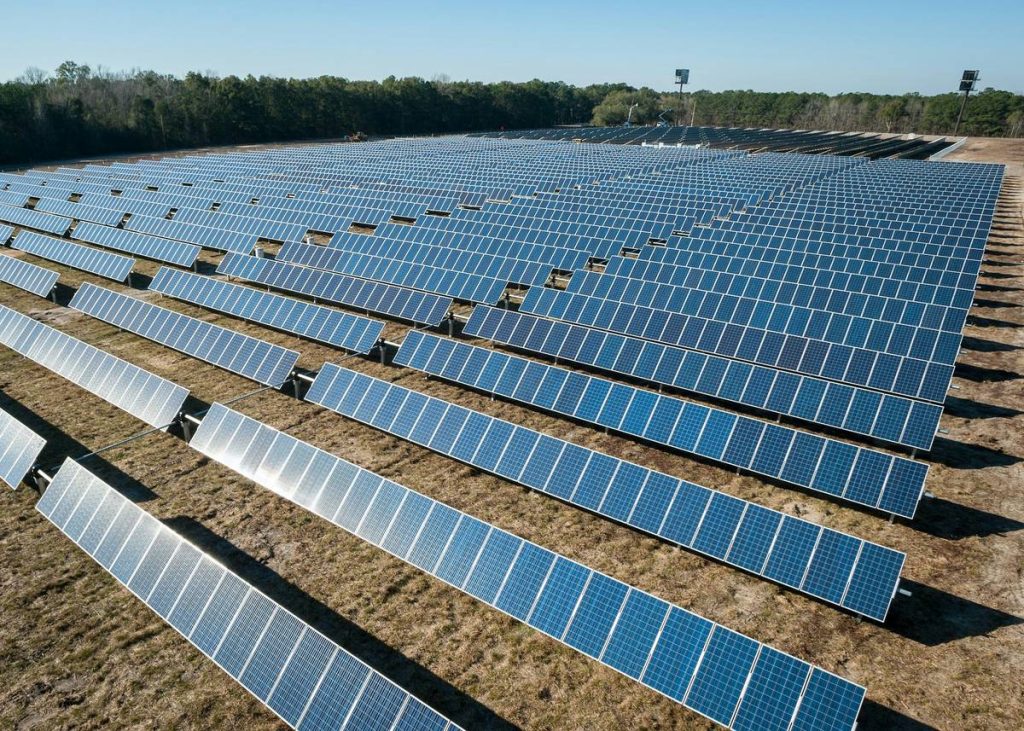
Ever looked up at your rooftop solar array only to find it coated in bird droppings, pollen, and dust after a dry summer? You’re not alone—and worse, that grime could be silently slashing your energy output by up to 25%, according to a study by the National Renewable Energy Laboratory (NREL). If you’re investing in solar, especially with a provider like dot energy solar panel systems, skipping proper maintenance is like buying premium tires and never rotating them. In this guide, I’ll walk you through everything you need to know about cleaning your panels safely and effectively—based on hard-won experience (yes, I once cracked a panel with a pressure washer—more on that disaster later).
Table of Contents
- Why Cleaning Your Dot Energy Solar Panel Matters
- Step-by-Step Guide to Safe & Effective Cleaning
- Top 5 Best Practices for Long-Term Performance
- Real Results: What Happens When You Clean Consistently?
- Frequently Asked Questions
Key Takeaways
- Dust and debris can reduce solar output by up to 25% if left unchecked.
- Never use abrasive tools or high-pressure water—damage is often irreversible.
- Clean early morning or late evening to avoid thermal shock.
- Soft brushes, deionized water, and microfiber cloths are your best friends.
- Consistent cleaning pays off: one homeowner saw a 19% boost in monthly generation.
Why Cleaning Your Dot Energy Solar Panel Matters
In the world of home improvement, solar panels are a long-term asset—but they’re not “install and forget.” Unlike traditional roofing, photovoltaic cells rely on unobstructed sunlight. Even a thin film of dust blocks photons, turning your investment into an expensive sunshade. This is especially critical in regions like British Columbia, where seasonal pollen, wildfire soot, and coastal salt spray accumulate faster than many realize.
I learned this the painful way last spring. Eager to “deep clean” my array after a smoky summer, I grabbed my trusty pressure washer. Two minutes later, I heard a faint *crack*. One panel was ruined—thermal stress from cold water hitting hot glass caused microfractures. Replacing it cost over $400 and took three weeks. Don’t be like me.
Step-by-Step Guide to Safe & Effective Cleaning
Gather the Right Tools
You don’t need fancy gear. Use:
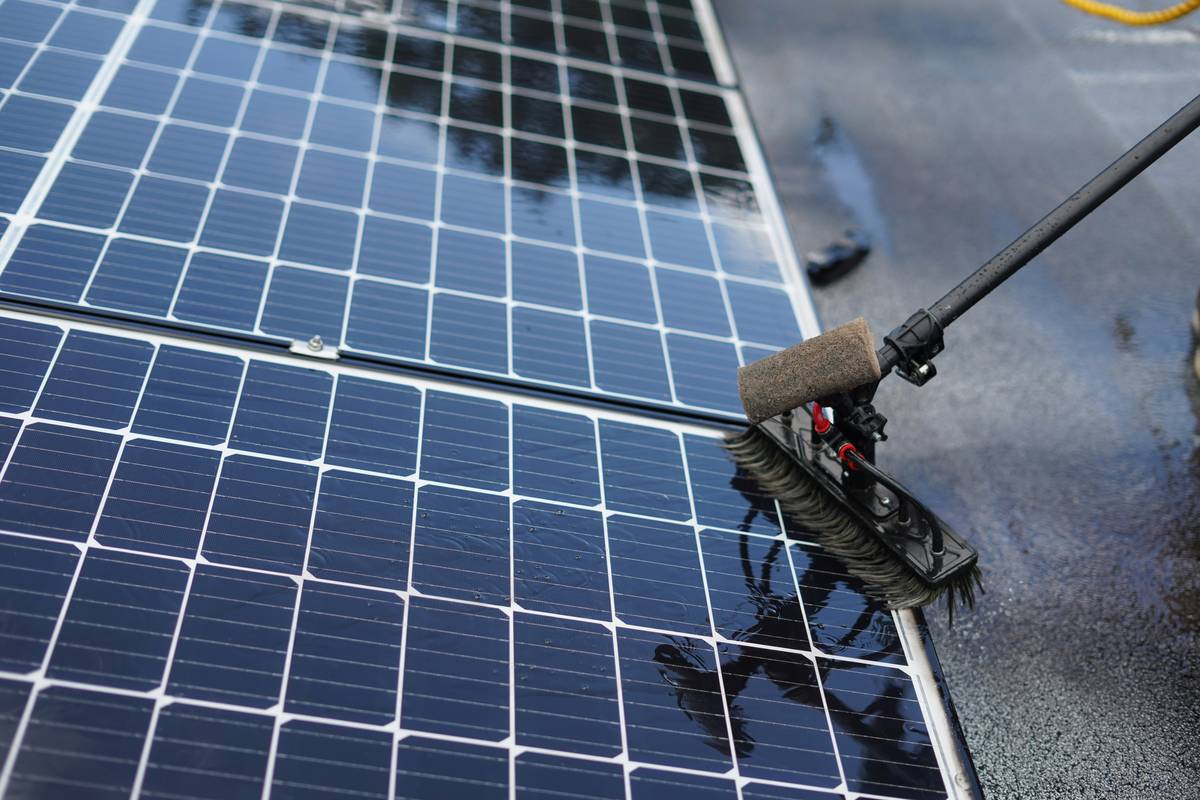
– A soft-bristle brush (non-metallic)
– A bucket of deionized or distilled water (tap water leaves mineral spots)
– A garden hose with low-pressure setting
– Microfiber cloths for drying
Time It Right
Clean at dawn or dusk when panels are cool. Cleaning hot glass with cold water creates thermal shock—a leading cause of hidden damage in dot energy solar panel installations.
Technique Matters
Rinse panels gently first. Then, using your soft brush, make slow, horizontal strokes. Never scrub vertically—that can scratch anti-reflective coatings. Rinse again thoroughly and blot dry with microfiber to prevent water spots.
Top 5 Best Practices for Long-Term Performance
- Avoid the “soap myth”: Most detergents leave residue. Stick to water unless your manufacturer approves a specific cleaner.
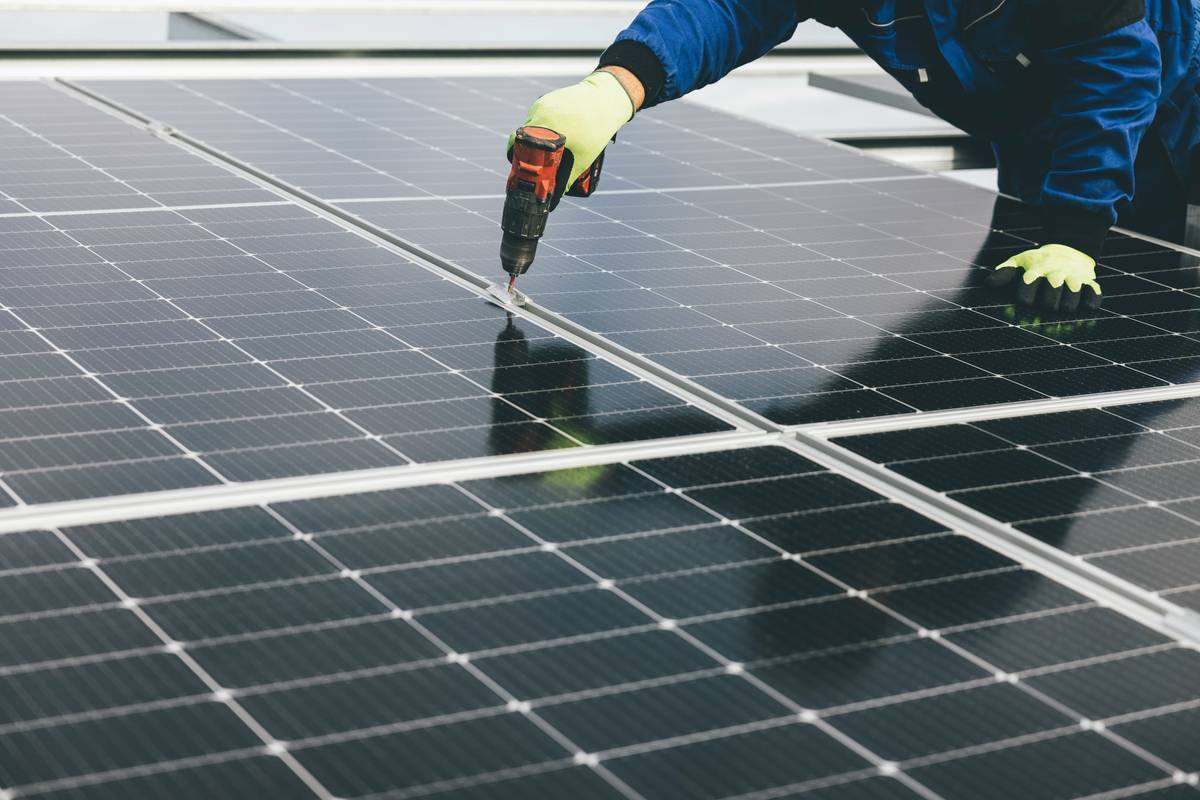
- Inspect while you clean: Look for cracks, discoloration, or loose wiring. Report issues to your installer—like our team—promptly.
- Schedule quarterly checks: Spring and fall cleanings prevent buildup before peak production seasons.
- Never walk on panels: They’re strong but not designed for foot traffic. Use extension poles for roof-mounted arrays.
- Track your output: Compare monthly kWh before and after cleaning. Apps like Sense or your inverter dashboard make this easy.
Real Results: What Happens When You Clean Consistently?
A 2023 case study published by the University of California, San Diego tracked two identical residential solar systems over six months—one cleaned quarterly, the other untouched. The maintained system produced 19% more energy annually. For a typical 6-kW dot energy solar panel setup in BC, that’s an extra 1,100 kWh per year—enough to power your fridge and laundry for nearly four months.
One homeowner in Surrey reported a noticeable drop in winter bills after adopting biannual cleanings. “I used to think rain did the job,” she said. “But pollen and bird droppings don’t rinse off easily. Now I see consistent output even in March.”
At Concept Solutions BC, we’ve seen similar patterns. Clients who follow basic care protocols—including gentle cleaning—rarely experience performance dips. Learn more about our philosophy on sustainable home upgrades on our About Us page.
Frequently Asked Questions
How often should I clean my dot energy solar panel?
Most homes need cleaning 2–4 times per year. If you live near trees, coastlines, or high-pollution zones, lean toward quarterly cleanings.
Can I use vinegar or dish soap?
Avoid both. Vinegar is acidic and can degrade sealants; dish soap leaves filmy residue that attracts more dirt. Plain water is safest.
Do rainy climates eliminate the need for cleaning?
No. Rain removes loose dust but not sticky residues like sap, bird droppings, or industrial fallout. These require manual removal.
Is professional cleaning worth it?
For steep or multi-story roofs, yes. Professionals use water-fed poles and purified water systems that minimize risk. Always check credentials—safety matters.
Will cleaning void my warranty?
Not if done correctly. Most manufacturers, including those supplying dot energy solar panel products, require routine maintenance as part of warranty terms. Just avoid abrasives and high pressure.
Where can I get help if I’m unsure?
Reach out to experts familiar with BC’s climate and regulations. We’re happy to advise—just contact us. And remember, we take your privacy seriously; read our full Privacy Policy for details.
Keeping your panels clean isn’t just maintenance—it’s maximizing your return on a smart investment. So grab that soft brush, skip the pressure washer, and let the sun do what it does best: power your life, cleanly and confidently.
Clean panels = bright future. ☀️